Sherlock Holmes and Victorian London: A City of Contrasts
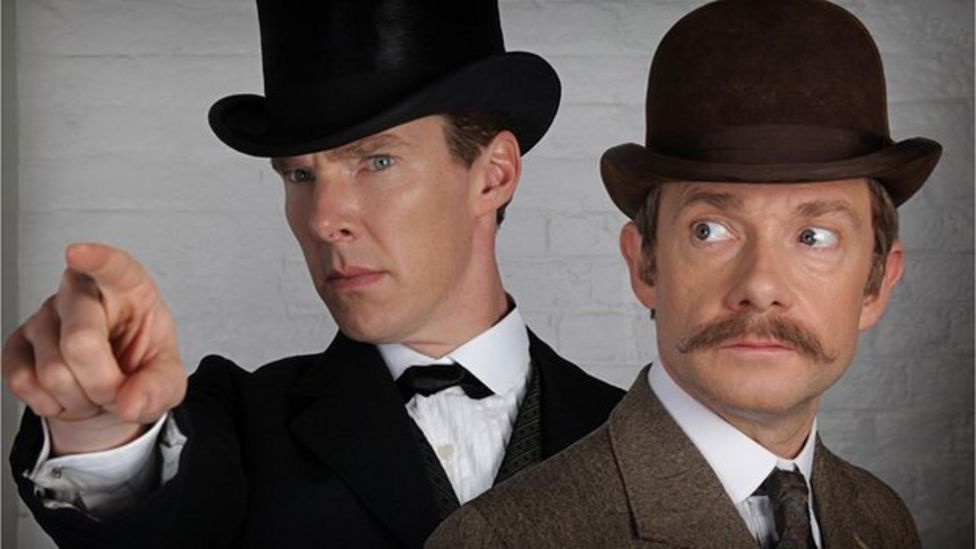
Sherlock Holmes and Victorian London: A City of Contrasts
Victorian London is more than just a setting for the Sherlock Holmes stories—it is a character in its own right, shaping the detective’s methods, his cases, and even his personality. The city’s unique blend of innovation and tradition, wealth and poverty, order and chaos provided the perfect backdrop for Holmes’ adventures, reflecting both the strengths and weaknesses of the era. This analysis explores the relationship between Sherlock Holmes and Victorian London, examining how the city’s social, cultural, and physical landscape influenced the stories and contributed to their enduring appeal.
The Physical Landscape of Victorian London
Victorian London was a city of remarkable contrasts, from its grand West End squares to its squalid East End slums. This physical diversity provided a rich backdrop for Holmes’ investigations.
The City of Neighborhoods
London during the Victorian era was a patchwork of distinct neighborhoods, each with its own character and social makeup.
Key Areas:
- West End: The wealthy district where Holmes and Watson resided at 221B Baker Street, characterized by grand townhouses, exclusive clubs, and fashionable shops
- East End: The poverty-stricken district where many of Holmes’ most gruesome cases unfolded, characterized by overcrowded tenements, street markets, and criminal activity
- City of London: The financial district, home to banks, warehouses, and businesses, often the setting for fraud and white-collar crime
- River Thames: The lifeblood of the city, used for transportation, trade, and occasionally as a dumping ground for bodies
The Urban Infrastructure
Victorian London was undergoing significant urban development during the time of the Sherlock Holmes stories.
Key Features:
- Transportation: Horse-drawn cabs, omnibuses, and the early underground railway provided Holmes with means to navigate the city
- Communication: The telegraph system allowed for rapid communication across the city
- Public Spaces: Parks, squares, and railway stations provided meeting places and settings for investigations
- Crime Infrastructure: Opium dens, gambling houses, and other criminal establishments featured prominently in the stories
The Social Landscape of Victorian London
The social structure of Victorian London was highly stratified, with clear divisions between social classes. This social hierarchy shaped the types of cases Holmes investigated and the characters he encountered.
Social Classes
Victorian society was divided into distinct social classes, each with its own customs, values, and opportunities.
Key Classes:
- Upper Class: Aristocrats and wealthy industrialists, often involved in cases of inheritance, blackmail, and social scandal
- Middle Class: Professionals, merchants, and civil servants, including Holmes and Watson themselves
- Working Class: Laborers, servants, and tradespeople, often the victims of crime or caught up in criminal activity
- Underclass: The destitute, homeless, and criminal elements, including the Baker Street Irregulars
Social Issues
The Sherlock Holmes stories address several pressing social issues of the Victorian era.
Key Issues:
- Poverty: The stark contrast between wealth and poverty is a recurring theme
- Crime: The rise of urban crime and the challenges of policing a rapidly growing city
- Colonialism: The influence of Britain’s colonial empire is evident in many stories, particularly those involving exotic objects or characters
- Gender Roles: The restrictive gender roles of Victorian society are explored, often through female characters who challenge societal expectations
- Moral Reform: The Victorian obsession with moral reform is reflected in stories that deal with vice, temptation, and redemption
The Cultural Landscape of Victorian London
Victorian London was a center of cultural activity, with a thriving literary, artistic, and scientific scene. This cultural milieu influenced Holmes’ character and methods.
Scientific and Technological Advances
The Victorian era was a time of significant scientific and technological innovation, which Holmes embraces in his work.
Key Advances:
- Forensic Science: The early development of forensic science provided Holmes with new methods for solving crimes
- Medical Science: Advances in medicine and anatomy informed Holmes’ understanding of injuries and causes of death
- Communication Technology: The telegraph and other communication technologies allowed for more efficient investigation
- Transportation Technology: The development of the railway and other transportation technologies made London more interconnected
Literary and Cultural Influences
The Sherlock Holmes stories were shaped by the literary and cultural trends of the Victorian era.
Key Influences:
- Sensation Fiction: The popular genre of sensation fiction, with its focus on crime, mystery, and moral ambiguity, influenced the structure and tone of the Sherlock Holmes stories
- Gothic Literature: Elements of gothic literature, such as mystery, suspense, and the supernatural, are evident in many Holmes stories
- Scientific Racism: The pseudoscientific ideas of racial hierarchy prevalent in Victorian culture occasionally surface in the stories
- Imperial Romance: The romanticization of Britain’s imperial adventures influenced stories set in colonial contexts
London as a Character in the Sherlock Holmes Stories
In the Sherlock Holmes stories, London functions as more than just a setting—it is a dynamic, living character that shapes the narrative and influences the behavior of the other characters.
London as a Reflection of Holmes’ Personality
The city of London mirrors Holmes’ own character in many ways.
Parallels:
- Complexity: Like Holmes, London is complex and multifaceted, with many layers to uncover
- Contradictions: Like Holmes, London contains contradictions—order and chaos, wealth and poverty, tradition and innovation
- Observation: Holmes’ method of observing the city reflects his approach to solving crimes
- Isolation: Despite being surrounded by millions of people, both Holmes and London can feel isolated and impersonal
London as a Source of Mystery
The city’s size, complexity, and anonymity make it an ideal setting for mystery and intrigue.
Elements of Mystery:
- Anonymity: The city’s size allows criminals to hide in plain sight
- Secrecy: The strict social codes of Victorian society create a culture of secrecy and hidden lives
- Contrast: The stark contrasts between different parts of the city create opportunities for crime and mystery
- History: The city’s long history provides a backdrop for stories involving ancient secrets and inherited mysteries
London as a Challenge
London presents Holmes with a constant challenge, testing his abilities to their limits.
Challenges:
- Scale: The city’s size makes investigations logistically challenging
- Diversity: The city’s diverse population requires Holmes to understand different cultures and social groups
- Rapid Change: The rapid pace of urban development during the Victorian era means the city is constantly changing
- Criminal Networks: The city’s criminal networks are sophisticated and well-organized
The Influence of Victorian London on Holmes’ Methods
The unique characteristics of Victorian London influenced the methods Holmes developed to solve crimes.
Adaptation to the Urban Environment
Holmes’ methods are specifically adapted to the urban environment of Victorian London.
Key Adaptations:
- Use of Informants: The Baker Street Irregulars and other informants provide Holmes with information about parts of the city he cannot access directly
- Knowledge of Geography: Holmes’ detailed knowledge of London’s geography allows him to navigate the city efficiently
- Understanding of Social Networks: Holmes’ understanding of London’s social networks helps him identify connections between characters
- Use of Urban Infrastructure: Holmes utilizes the city’s transportation and communication systems to his advantage
Response to Victorian Social Conditions
Holmes’ methods also reflect the social conditions of Victorian London.
Key Responses:
- Empathy for the Marginalized: Holmes shows a surprising degree of empathy for the city’s marginalized populations
- Skepticism of Authority: Holmes’ skepticism of official authority reflects the limitations of the Victorian police force
- Adaptation to Class Boundaries: Holmes navigates the city’s strict class boundaries with ease, moving between different social circles
- Awareness of Social Injustice: Holmes is often motivated by a desire to address social injustice, particularly when the vulnerable are victimized
The Enduring Appeal of Victorian London in the Sherlock Holmes Stories
The depiction of Victorian London in the Sherlock Holmes stories continues to captivate audiences today, even as the city itself has changed dramatically.
Nostalgia and Romanticism
The Sherlock Holmes stories evoke a sense of nostalgia for a bygone era, romanticizing certain aspects of Victorian London.
Romanticized Elements:
- Gaslight: The atmospheric glow of gas streetlights creates a moody, mysterious ambiance
- Horse-Drawn Cabs: The iconic hansom cabs evoke a sense of elegance and romance
- Gentlemanly Codes: The strict codes of conduct and etiquette of Victorian society create a sense of order and decorum
- Intellectual Pursuit: The emphasis on deductive reasoning and intellectual challenge appeals to readers’ desire for mental stimulation
Social Commentary
Despite the romanticization, the Sherlock Holmes stories also provide a critical commentary on Victorian society.
Critical Elements:
- Exposure of Injustice: The stories expose the injustices and inequalities of Victorian society
- Critique of Authority: The stories often critique the incompetence or corruption of official authorities
- Challenge to Social Norms: The stories occasionally challenge Victorian social norms, particularly regarding gender and class
- Exploration of Morality: The stories explore complex moral issues, avoiding simplistic black-and-white judgments
Universal Themes
The themes explored in the Sherlock Holmes stories transcend their Victorian setting, making them relevant to contemporary audiences.
Universal Themes:
- The Pursuit of Truth: The fundamental human desire to uncover the truth
- The Battle Between Good and Evil: The eternal struggle between justice and injustice
- The Power of Reason: The belief in the power of reason to solve problems
- The Complexity of Human Nature: The recognition that human beings are capable of both great good and great evil
Conclusion
Victorian London is more than just a setting for the Sherlock Holmes stories—it is a vital element that shapes the narrative, the characters, and the themes. The city’s unique blend of innovation and tradition, wealth and poverty, order and chaos provided the perfect backdrop for Holmes’ adventures, reflecting both the strengths and weaknesses of the era.
The enduring appeal of the Sherlock Holmes stories owes much to their vivid portrayal of Victorian London. The city’s physical landscape, social structure, and cultural milieu create a rich, immersive world that continues to captivate readers and viewers today. Whether navigating the fog-shrouded streets of the West End or the squalid alleys of the East End, Holmes remains the perfect guide to this fascinating period in London’s history.
As we continue to revisit the Sherlock Holmes stories in new adaptations and interpretations, the character of Victorian London remains as compelling as ever. It reminds us of the enduring power of place in literature, and how a well-drawn setting can become as memorable and beloved as the characters themselves.
Image Suggestion
- Image location:
/static/images/ - Image name:
sherlock-holmes-victorian-london-contrasts.jpg - Suggested content: A split-image showing the contrasting faces of Victorian London: on one side, the grandeur of Baker Street with gaslit streetlights and elegant townhouses; on the other side, the squalor of the East End with crowded tenements and street markets, with Sherlock Holmes walking between the two worlds