Sherlock Holmes: A Game of Shadows (2011) Film Analysis
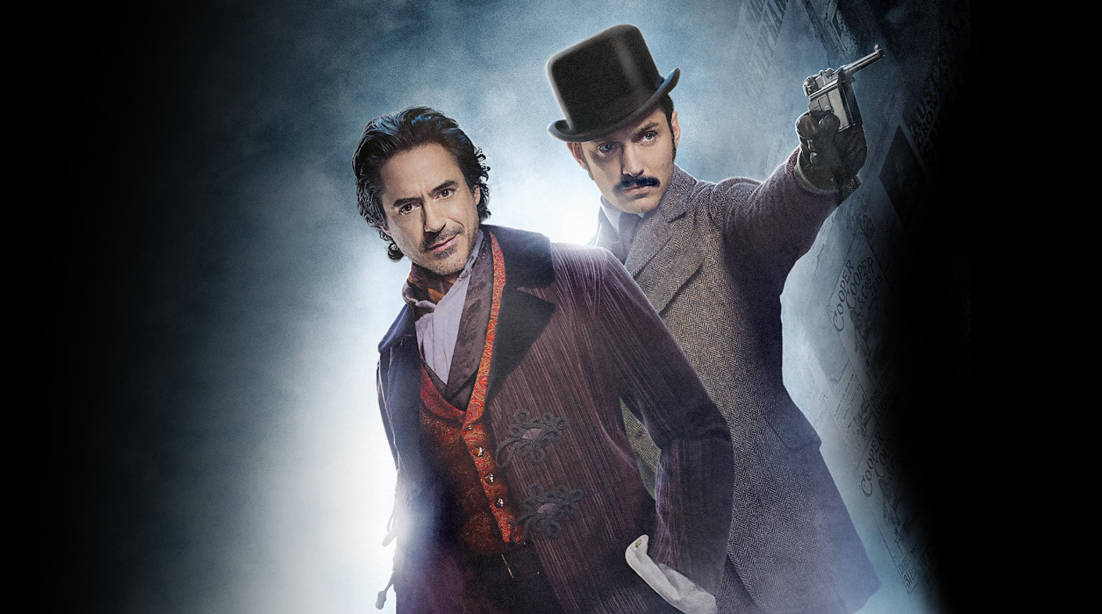
Sherlock Holmes: A Game of Shadows (2011): The Ultimate Battle of Wits
Guy Ritchie’s 2011 film Sherlock Holmes: A Game of Shadows serves as a thrilling sequel to his 2009 Sherlock Holmes adaptation, pitting the iconic detective against his greatest nemesis, Professor James Moriarty. This film expands on the visual style and thematic depth of its predecessor, while delivering a more complex and emotionally resonant story.
Plot Analysis
The film picks up shortly after the events of the first film, with Sherlock Holmes (Robert Downey Jr.) investigating a series of seemingly unrelated bombings across Europe. Holmes quickly realizes that these attacks are part of a larger scheme orchestrated by Professor Moriarty (Jared Harris), a brilliant mathematician and criminal mastermind who is plotting to start a world war for profit.
As Holmes delves deeper into the case, he is joined by his trusted companion Dr. John Watson (Jude Law), who is preparing to marry Mary Morstan (Kelly Reilly). Together, they travel across Europe, from London to Paris to Switzerland, in pursuit of Moriarty and his associate, the deadly assassin Colonel Sebastian Moran (Paul Anderson).
Along the way, they are aided by a mysterious gypsy fortune-teller named Simza Heron (Noomi Rapace), whose brother has become entangled in Moriarty’s plot. The tension builds to a climactic confrontation between Holmes and Moriarty at the Reichenbach Falls, a location famously associated with their fateful meeting in Arthur Conan Doyle’s original stories.
Character Dynamics
“A Game of Shadows” offers deeper insights into the characters and their relationships:
Sherlock Holmes
Robert Downey Jr.’s portrayal of Holmes continues to evolve in this film, showing a more vulnerable side beneath his usual bravado. Holmes is not just intellectually matched by Moriarty; he is emotionally affected by the threat his nemesis poses.
Key character moments include:
- His increasing obsession with Moriarty, bordering on paranoia
- His struggle to balance his mission with his concern for Watson’s safety
- His willingness to sacrifice himself to stop Moriarty
- His growing respect for Simza’s intelligence and resourcefulness
John Watson
Jude Law’s Watson continues to be a more capable and independent character than the traditional sidekick portrayal. His impending marriage adds a new dimension to his relationship with Holmes.
Key character moments include:
- His frustration with Holmes’ increasingly reckless behavior
- His loyalty to Holmes despite his impending marriage
- His bravery in the face of danger
- His grief and guilt following Holmes’ apparent death
Professor Moriarty
Jared Harris’ portrayal of Moriarty is a standout performance, creating a villain who is both intellectually formidable and emotionally cold.
Key character moments include:
- His calm, calculating demeanor, which contrasts sharply with Holmes’ more eccentric approach
- His manipulation of world events for personal gain
- His chilling confession that he views the impending war as a business opportunity
- His final chess game with Holmes, where the stakes are life and death
Thematic Exploration
Several important themes emerge in “A Game of Shadows”:
The Duality of Genius
The film explores the fine line between genius and madness, as embodied by both Holmes and Moriarty. Both men are brilliant, but they use their intelligence for vastly different purposes - Holmes for justice, Moriarty for personal gain.
The Cost of Friendship
The film delves into the sacrifices that come with friendship, as Holmes and Watson are forced to put their lives on the line for each other. Holmes’ ultimate sacrifice at the Reichenbach Falls underscores the depth of his feelings for Watson.
The Illusion of Control
“A Game of Shadows” examines the human desire for control, particularly through Moriarty’s attempts to manipulate world events. The film suggests that even the most carefully laid plans can be undone by unpredictable human elements.
The Burden of Knowledge
The film explores how knowledge can be both a blessing and a curse. Holmes’ ability to see patterns and predict outcomes gives him an advantage, but it also weighs heavily on him, as he is forced to confront the consequences of his actions.
Visual Style
Guy Ritchie’s distinctive visual style is even more pronounced in this film:
- Slow-Motion Sequences: The film continues to use slow-motion sequences to visualize Holmes’ thought process during action scenes
- Dynamic Camera Work: The use of handheld cameras and quick cuts creates a sense of energy and urgency
- Period Detail: The film’s recreation of late 19th-century Europe is meticulous, from the costumes to the architecture
- Color Palette: The film uses a darker, more muted color palette than its predecessor, reflecting the more serious tone of the story
Conclusion
“Sherlock Holmes: A Game of Shadows” is a worthy sequel that expands on the strengths of the first film while delivering a more complex and emotionally resonant story. The film’s greatest strength is its portrayal of the relationship between Holmes and Moriarty, which is both intellectually stimulating and emotionally compelling.
Jared Harris’ portrayal of Moriarty is particularly impressive, creating a villain who is not just Holmes’ intellectual equal but his emotional opposite. The film’s climax at the Reichenbach Falls is a fitting tribute to Arthur Conan Doyle’s original story, while still offering its own unique twist.
“A Game of Shadows” stands as a testament to the enduring appeal of the Sherlock Holmes mythos, demonstrating how these classic characters can be reimagined for a modern audience while still honoring their literary roots.
Image Suggestion
- Image location:
/static/images/ - Image name:
sherlock-holmes-game-of-shadows.jpg - Suggested content: A promotional still of Robert Downey Jr. as Sherlock Holmes and Jude Law as Dr. John Watson standing in a European street, surrounded by the chaos of Moriarty’s plot