Sherlock Holmes 2009 Film Analysis
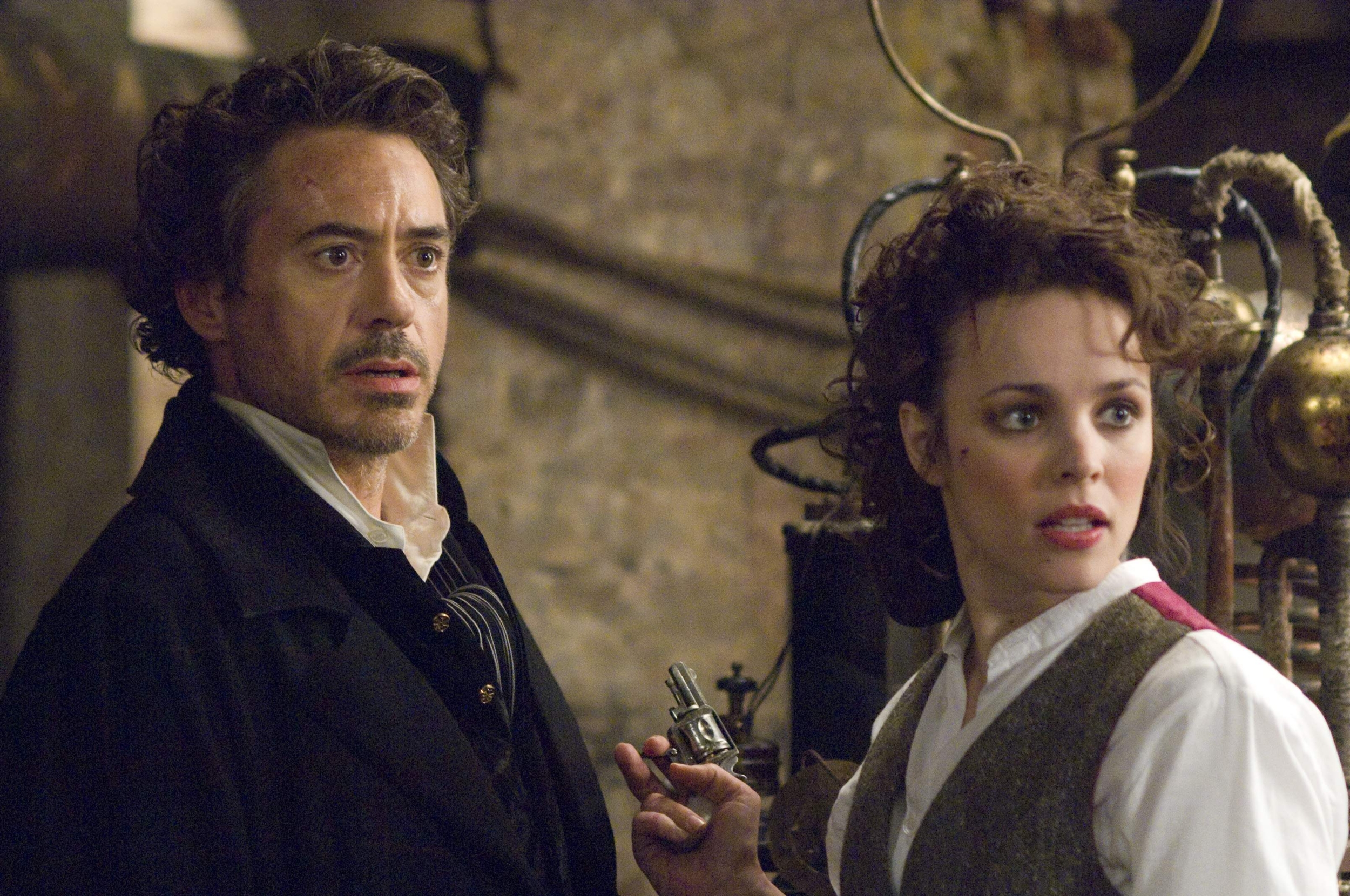
Sherlock Holmes (2009): A Stylish Reimagining
Guy Ritchie’s 2009 film Sherlock Holmes offers a distinctive take on Arthur Conan Doyle’s iconic detective, blending classic elements with a more action-oriented, visually dynamic approach. Starring Robert Downey Jr. as Sherlock Holmes and Jude Law as Dr. John Watson, the film reimagines the detective duo for a modern audience while maintaining the core essence of their relationship.
Plot Analysis
The film opens with Holmes and Watson apprehending the ritualistic serial killer Lord Henry Blackwood (Mark Strong), who is subsequently sentenced to death. However, when Blackwood seemingly returns from the grave, Holmes is drawn back into the case, setting off a chain of events that leads him to uncover a larger conspiracy involving black magic, political intrigue, and a plot to take over Britain.
As Holmes and Watson investigate, they encounter a variety of colorful characters, including the mysterious Irene Adler (Rachel McAdams), Holmes’ former lover and occasional adversary. The investigation takes them from the seedy underbelly of London to the upper echelons of British society, culminating in a dramatic confrontation at Parliament.
Character Interpretations
The film’s most significant departure from traditional Sherlock Holmes adaptations lies in its characterization:
Sherlock Holmes (Robert Downey Jr.)
Downey’s Holmes is a more physical, eccentric version of the character than audiences are used to. He is still brilliant and deductive, but he also possesses impressive fighting skills and a more pronounced rebellious streak.
Key character traits include:
- His unconventional approach to detective work, often involving physical experimentation
- His struggle with boredom and restlessness when not working on a case
- His complex relationship with both Watson and Adler
- His meticulous attention to detail, even in the heat of combat
Dr. John Watson (Jude Law)
Law’s Watson is a far cry from the bumbling sidekick often portrayed in adaptations. He is a capable, courageous former military doctor who is more than Sherlock’s equal in many respects.
Key character traits include:
- His military background and combat skills
- His growing frustration with Holmes’ eccentricities
- His即将结婚的状态, which creates tension in his relationship with Holmes
- His unwavering loyalty despite their differences
Irene Adler (Rachel McAdams)
The film’s portrayal of Irene Adler expands on her character from the original stories, positioning her as a more central figure in Holmes’ life.
Key character traits include:
- Her intelligence and resourcefulness, which match Holmes'
- Her ambiguous moral alignment
- Her ability to outwit Holmes on multiple occasions
- Her complex romantic history with the detective
Cinematic Style
Guy Ritchie’s distinctive directorial style is evident throughout the film:
Visual Approach
The film employs a gritty, atmospheric visual style that emphasizes the darker aspects of Victorian London. The cinematography, with its muted color palette and dynamic camera movements, creates a sense of energy and urgency that complements the film’s action sequences.
Action Sequences
One of the film’s most innovative elements is its approach to action. Holmes’ fighting style is presented as an extension of his deductive reasoning - he analyzes his opponents’ weaknesses and plans his moves in advance, with the film visualizing his thought process through slow-motion sequences.
Production Design
The film’s production design is meticulous in its recreation of Victorian London, from the fog-shrouded streets to the opulent interiors of wealthy homes. The attention to detail extends to the costumes, props, and overall aesthetic, creating a vivid sense of time and place.
Thematic Elements
Despite its action-oriented approach, the film explores several traditional Sherlock Holmes themes:
Reason vs. Superstition
The central conflict between Holmes’ rational, scientific approach and Blackwood’s apparent use of black magic highlights the theme of reason versus superstition. Holmes’ unwavering belief in logic ultimately triumphs over the illusion of supernatural power.
Friendship and Partnership
The film delves deeply into the complex relationship between Holmes and Watson. Their friendship is tested by Watson’s impending marriage, but ultimately proves to be stronger than their differences. The film suggests that their partnership is based on mutual respect and complementary skills.
Identity and Purpose
Holmes’ character grapples with questions of identity and purpose throughout the film. He struggles to define himself outside of his work as a detective, and his relationship with Watson provides him with a sense of belonging and purpose.
Critical Reception
The 2009 Sherlock Holmes film received generally positive reviews from critics, with particular praise for the performances of Downey Jr. and Law, their on-screen chemistry, and the film’s visual style. Some purists criticized the film’s departure from the traditional portrayal of Holmes, but many appreciated its fresh take on the character.
Conclusion
Guy Ritchie’s Sherlock Holmes (2009) offers a bold, stylish reinterpretation of Arthur Conan Doyle’s iconic detective. While it deviates from traditional adaptations in its emphasis on action and its more eccentric portrayal of Holmes, it remains faithful to the core elements that have made the character enduring - his brilliant deductive abilities, his complex relationship with Watson, and his unwavering commitment to solving crimes through reason and logic.
The film’s success lies in its ability to appeal to both longtime Sherlock Holmes fans and newcomers to the character, offering a fresh perspective while honoring the source material.
Image Suggestion
- Image location:
/static/images/ - Image name:
sherlock-holmes-2009-film.jpg - Suggested content: A promotional still of Robert Downey Jr. as Sherlock Holmes and Jude Law as Dr. John Watson standing in a foggy Victorian London street, dressed in period clothing