Sherlock Holmes (1939-1946) Film Series Analysis
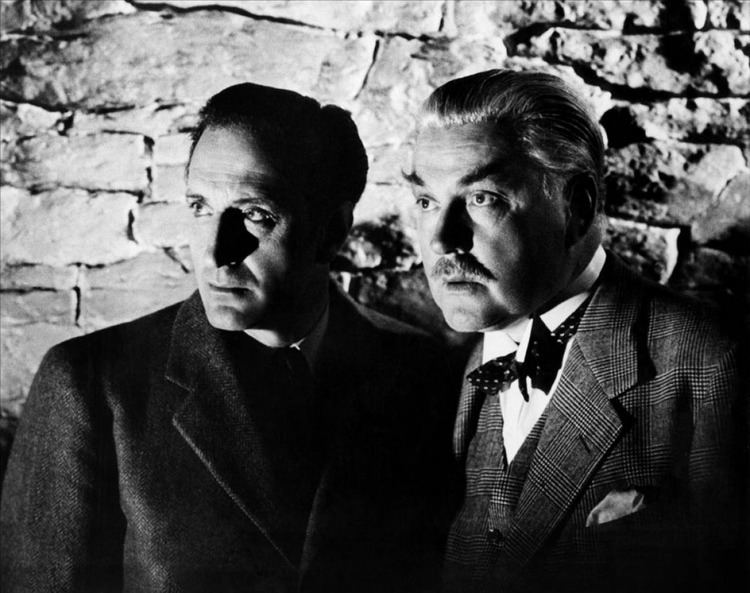
Sherlock Holmes (1939-1946): The Cinematic Template
The 1939-1946 Sherlock Holmes film series, produced by Universal Pictures and starring Basil Rathbone as Sherlock Holmes and Nigel Bruce as Dr. John Watson, remains one of the most influential adaptations of Arthur Conan Doyle’s iconic detective. This series of 14 films established many of the conventions that would define Sherlock Holmes on screen for decades to come.
Production and Context
The series began at 20th Century Fox with two films based on Conan Doyle’s original stories: The Hound of the Baskervilles (1939) and The Adventures of Sherlock Holmes (1939). These films were set in the Victorian era, faithful to the original stories’ setting.
In 1942, Universal Pictures took over production and made a significant change: they updated the setting to contemporary World War II-era England. This decision allowed the films to address current events and tap into wartime patriotism, while still maintaining the core elements of the Sherlock Holmes mythos.
The series continued until 1946, with Basil Rathbone and Nigel Bruce reprising their roles in all 14 films. Their portrayals of Holmes and Watson would become iconic, shaping public perception of these characters for generations.
Character Portrayals
The series’ most enduring legacy is its character portrayals, particularly Basil Rathbone’s Sherlock Holmes:
Sherlock Holmes (Basil Rathbone)
Basil Rathbone’s portrayal of Sherlock Holmes is widely regarded as one of the definitive interpretations of the character. Rathbone brought a combination of intellect, elegance, and intensity to the role that perfectly captured Holmes’ essence.
Key character traits include:
- His sharp, piercing gaze and distinctive profile, which became iconic
- His precise, methodical approach to deduction
- His dry wit and occasional sarcasm
- His physical agility, which was emphasized in the action sequences
- His unwavering commitment to justice, particularly in the wartime films
Rathbone’s Holmes was a man of action as well as intellect, engaging in fistfights, chases, and even disguise work throughout the series.
Dr. John Watson (Nigel Bruce)
Nigel Bruce’s portrayal of Dr. John Watson, while departing from Conan Doyle’s original conception of the character, became equally iconic.
Key character traits include:
- His bumbling, avuncular nature, which provided comic relief
- His unwavering loyalty to Holmes, even in the face of danger
- His occasional moments of insight, proving he was not as dim-witted as he sometimes appeared
- His role as the audience surrogate, asking the questions viewers would ask
- His bravery in the face of danger, particularly in the wartime films
While Bruce’s Watson has been criticized for departing from Conan Doyle’s more capable portrayal, his performance added warmth and humanity to the series, creating a memorable on-screen partnership with Rathbone’s Holmes.
Themes and Storylines
The series explored a variety of themes and storylines, evolving over its run:
Victorian Era Films (1939)
The first two films, produced by 20th Century Fox, were faithful adaptations of Conan Doyle’s original stories:
- The Hound of the Baskervilles (1939): Based on Conan Doyle’s novel of the same name, this film follows Holmes and Watson as they investigate the curse of the Baskervilles on the fog-shrouded moors of Dartmoor.
- The Adventures of Sherlock Holmes (1939): Loosely based on Conan Doyle’s play Sherlock Holmes, this film pits Holmes against his nemesis Professor Moriarty, who is plotting to steal the Crown Jewels.
Wartime Films (1942-1946)
The Universal Pictures films, set in contemporary World War II-era England, addressed wartime concerns and themes:
- Patriotism and national unity
- The fight against fascism and tyranny
- The importance of intelligence and deduction in defeating the enemy
- The resilience of the British people during wartime
Notable wartime films include:
- Sherlock Holmes and the Voice of Terror (1942): Holmes battles a Nazi propaganda broadcaster known as the “Voice of Terror”
- Sherlock Holmes and the Secret Weapon (1943): Holmes attempts to protect a new bomb sight invention from Nazi spies
- Sherlock Holmes in Washington (1943): Holmes travels to America to recover a top-secret document stolen by Nazi agents
Visual Style and Cinematic Techniques
The series employed a distinctive visual style that contributed to its enduring appeal:
- Atmospheric Lighting: The films used dramatic lighting, with deep shadows and high contrast, creating a moody, suspenseful atmosphere
- Sets and Locations: The Victorian-era films featured elaborate period sets, while the wartime films used more contemporary settings
- Camera Work: The films employed dynamic camera angles and movements, particularly during action sequences
- Music: The series used dramatic orchestral music to heighten tension and emphasize key moments
- Special Effects: While limited by the technology of the time, the films used innovative special effects, particularly in The Hound of the Baskervilles
Legacy and Impact
The 1939-1946 Sherlock Holmes film series had a profound impact on the character’s cinematic legacy:
- Template for Adaptations: The series established many of the conventions that would define subsequent Sherlock Holmes adaptations, including the dynamic between Holmes and Watson and the balance of intellect and action
- Iconic Performances: Basil Rathbone and Nigel Bruce’s portrayals became the standard against which later actors were measured
- Wartime Propaganda: The series effectively used the Sherlock Holmes character to promote wartime patriotism and boost morale
- Popularity and Accessibility: The films brought Sherlock Holmes to a wider audience than ever before, introducing the character to moviegoers around the world
- Enduring Appeal: The films remain popular today, beloved by fans of classic cinema and Sherlock Holmes enthusiasts alike
Conclusion
The 1939-1946 Sherlock Holmes film series stands as a landmark in the history of Sherlock Holmes adaptations. Its blend of faithful storytelling, iconic performances, and contemporary relevance (particularly in the wartime films) created a series that remains entertaining and influential more than seven decades later.
Basil Rathbone’s portrayal of Sherlock Holmes, with its combination of intellect, elegance, and intensity, remains one of the definitive interpretations of the character. Nigel Bruce’s Watson, while departing from Conan Doyle’s original conception, added warmth and humanity to the series, creating a memorable on-screen partnership.
The series’ ability to adapt to changing circumstances, particularly its successful transition from Victorian setting to wartime England, demonstrates the flexibility and enduring appeal of the Sherlock Holmes mythos. Even as it addressed contemporary concerns, it remained true to the core elements that have made Sherlock Holmes one of literature’s most beloved characters.
Image Suggestion
- Image location:
/static/images/ - Image name:
sherlock-holmes-1939-1946-series.jpg - Suggested content: A promotional still of Basil Rathbone as Sherlock Holmes and Nigel Bruce as Dr. John Watson in their iconic roles, with Rathbone in his distinctive deerstalker hat and cape