Sherlock BBC Series 4 Episode 1: The Six Thatchers Analysis
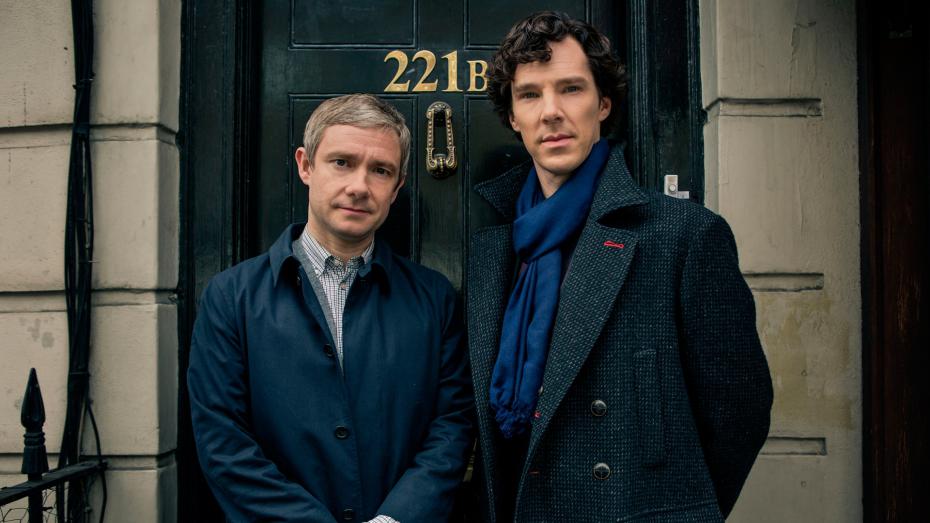
The Six Thatchers: Ghosts of the Past
“The Six Thatchers”, the first episode of BBC’s Sherlock fourth series, is a dark and emotionally charged episode that explores themes of grief, guilt, and the consequences of past actions. This episode marks a significant turning point for the series, as it deals with the aftermath of Mary’s secret past and sets the stage for the dramatic events to come.
Plot Analysis
The episode begins with Sherlock Holmes (Benedict Cumberbatch) investigating a seemingly trivial case - the destruction of six garden gnomes shaped like Margaret Thatcher. However, this case quickly leads him to uncover a larger conspiracy involving stolen intelligence and a mysterious figure from Mary’s past.
As Sherlock delves deeper into the case, he discovers that a former associate of Mary’s, Ajay (Sacha Dhawan), is hunting her down, seeking revenge for a betrayal that occurred during their time as agents. Mary (Amanda Abbington) is forced to confront her past as she and Sherlock race to find the truth about what happened in Belarus, where Mary and Ajay were part of a mission that went horribly wrong.
The tension builds to a climactic confrontation in a London aquarium, where Mary makes the ultimate sacrifice to save Sherlock’s life.
Character Development
“The Six Thatchers” offers significant insights into the characters and their relationships:
Sherlock Holmes
In this episode, Sherlock is forced to confront the consequences of his past actions and the impact they have had on those he cares about. His usual confidence is shaken as he grapples with the guilt of his role in Mary’s past coming back to haunt her.
Key character moments include:
- His initial dismissal of the gnome case as trivial
- His growing realization that the case is connected to Mary’s past
- His guilt and regret when he realizes his actions have put Mary in danger
- His determination to protect Mary and Watson, even at great personal cost
- His profound grief following Mary’s death
Mary Morstan
Mary’s character undergoes a dramatic arc in this episode, as she confronts the ghosts of her past and makes the ultimate sacrifice for the people she loves.
Key character moments include:
- Her initial attempts to hide from her past
- Her bravery in confronting Ajay
- Her selfless act of saving Sherlock’s life
- Her final message to Sherlock, urging him to “save John”
John Watson
Watson’s character is put through an emotional wringer as he confronts the truth about Mary’s past and then her tragic death.
Key character moments include:
- His anger and betrayal when he discovers Mary has been hiding things from him
- His grief and despair following Mary’s death
- His struggle to come to terms with his loss
- His growing resentment towards Sherlock, whom he blames for Mary’s death
Thematic Exploration
Several important themes emerge in “The Six Thatchers”:
Grief and Loss
The episode explores the profound impact of grief on Watson and Sherlock, as they struggle to come to terms with Mary’s death. It suggests that grief is a deeply personal experience that affects each person differently.
Guilt and Responsibility
“The Six Thatchers” delves into the complex emotions of guilt and responsibility, as Sherlock blames himself for Mary’s death and Watson struggles with his own feelings of guilt for not being able to protect her.
The Consequences of Past Actions
The episode examines how past actions can come back to haunt us, even when we have tried to move on and start a new life. Mary’s attempt to leave her past behind is ultimately unsuccessful, as the mistakes she made as an agent catch up with her.
The Power of Redemption
Despite its dark tone, the episode suggests that redemption is possible, as Mary makes the ultimate sacrifice to atone for her past mistakes and protect the people she loves.
Cinematic Techniques
“The Six Thatchers” employs several innovative cinematic techniques to enhance the storytelling:
- Visual Symbolism: The use of the Thatcher gnomes as a metaphor for the destruction of Mary’s past
- Flashbacks: The use of flashbacks to reveal Mary’s past as an agent
- Atmospheric Setting: The tense aquarium setting for the climactic confrontation
- Emotional Editing: The slow-motion sequence of Mary pushing Sherlock out of the way of the bullet
Conclusion
“The Six Thatchers” is a powerful and emotionally devastating episode that marks a significant turning point for the series. It successfully balances the clever mysteries that the series is known for with genuine emotional depth, creating a viewing experience that is both intellectually stimulating and emotionally resonant.
The episode’s greatest strength is its exploration of the human cost of secrets and the consequences of past actions. It suggests that no matter how hard we try to escape our past, it will always find a way to catch up with us.
“The Six Thatchers” stands as a testament to the series’ ability to evolve and grow, while still staying true to the core elements that make it great - brilliant storytelling, complex characters, and the enduring power of friendship.
Image Suggestion
- Image location:
/static/images/ - Image name:
sherlock-six-thatchers.jpg - Suggested content: A dramatic still of Benedict Cumberbatch as Sherlock Holmes, Martin Freeman as John Watson, and Amanda Abbington as Mary Morstan in the aquarium during the climactic confrontation