Sherlock BBC Series 2 Episode 3: The Reichenbach Fall Analysis
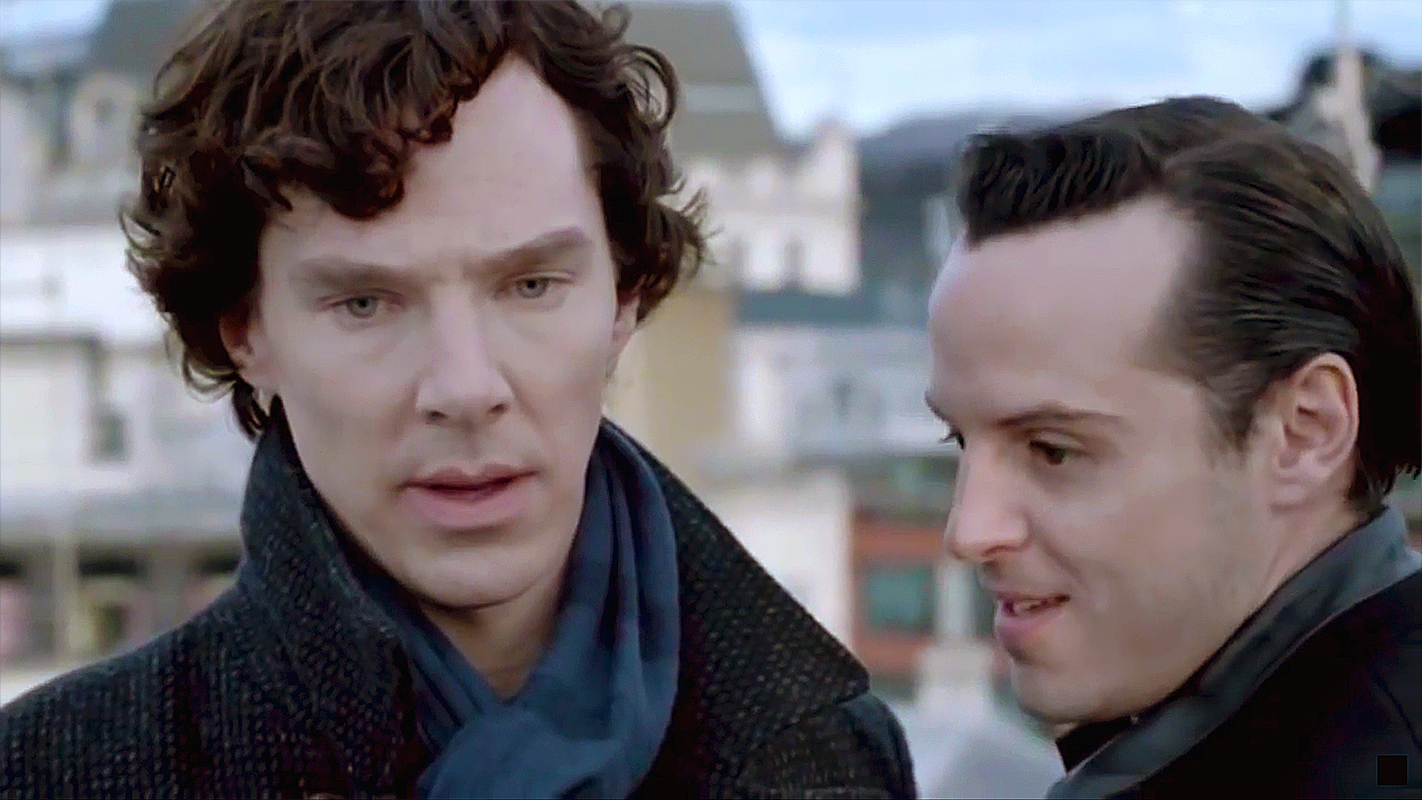
The Reichenbach Fall: The Ultimate Game
“The Reichenbach Fall”, the second series finale of BBC’s Sherlock, is a tour de force of storytelling that reimagines Arthur Conan Doyle’s iconic “The Final Problem” for the 21st century. This episode brings the conflict between Sherlock Holmes (Benedict Cumberbatch) and Jim Moriarty (Andrew Scott) to a dramatic climax, culminating in one of the most shocking moments in television history.
Plot Analysis
The episode begins with Moriarty executing a series of seemingly unrelated heists, including the theft of the Crown Jewels, the Bank of England, and Pentonville Prison. These crimes are merely the opening moves in Moriarty’s grand plan to destroy Sherlock’s reputation and force him into a position of no return.
Moriarty systematically undermines Sherlock’s credibility, framing him for fraud and murder, and turning the public against him. As the pressure mounts, Sherlock becomes increasingly isolated, with only Watson (Martin Freeman) remaining loyal to him.
The tension builds to a climactic confrontation on the rooftop of St. Bart’s Hospital, where Moriarty gives Sherlock a choice: either Sherlock jumps to his death to save his friends, or Moriarty’s assassins will kill Watson, Mrs. Hudson, and Lestrade.
In a shocking twist, Moriarty kills himself to ensure that Sherlock has no way out, forcing Sherlock to make the ultimate sacrifice.
Character Arcs
“The Reichenbach Fall” marks a significant turning point for the central characters:
Sherlock Holmes
In this episode, Sherlock faces his greatest challenge yet - not just to solve a case, but to survive and protect those he cares about. His usual confidence is shattered as Moriarty systematically dismantles his life and reputation.
Key character moments include:
- His initial dismissal of Moriarty’s threat, believing he can outsmart him
- His growing desperation as his reputation is destroyed
- His realization that he cares more about his friends than his own reputation
- His final decision to jump from the rooftop to save his friends
Jim Moriarty
Andrew Scott’s portrayal of Moriarty reaches its peak in this episode, as he reveals the full extent of his brilliance and madness.
Key character moments include:
- His audacious theft of the Crown Jewels
- His manipulation of the media to turn public opinion against Sherlock
- His chilling declaration that he and Sherlock are “just two men who like playing games”
- His shocking suicide, which leaves Sherlock with no way out
John Watson
Watson’s loyalty is put to the ultimate test as he stands by Sherlock even as the world turns against him.
Key character moments include:
- His unwavering support for Sherlock, even when faced with overwhelming evidence against him
- His determination to clear Sherlock’s name
- His grief and anger following Sherlock’s apparent death
- His moving eulogy at Sherlock’s grave
Thematic Exploration
Several profound themes emerge in “The Reichenbach Fall”:
The Nature of Identity
The episode explores how identity is constructed and maintained, as Moriarty systematically destroys Sherlock’s public persona and forces him to confront his true self.
The Cost of Genius
The episode examines the price of Sherlock’s brilliance, as his unique abilities make him both a target for Moriarty and a figure of suspicion to the general public.
The Power of Narrative
“The Reichenbach Fall” demonstrates how powerful narrative can be, as Moriarty uses the media to create a false narrative about Sherlock that the public readily accepts.
Sacrifice and Redemption
The episode explores the theme of sacrifice, as Sherlock is forced to give up his life to save his friends, and the possibility of redemption, as the final scene hints that Sherlock may have survived.
Cinematic Excellence
“The Reichenbach Fall” is a masterclass in television storytelling:
- Tension Building: The episode expertly builds tension from the opening heist to the climactic rooftop confrontation
- Character Dynamics: The interplay between Sherlock and Moriarty is electric, with each character pushing the other to their limits
- Visual Storytelling: The use of visual cues and symbolism, particularly the recurring theme of falling
- Emotional Impact: The episode elicits a wide range of emotions, from excitement and suspense to grief and shock
Conclusion
“The Reichenbach Fall” is a fitting conclusion to the second series of Sherlock, bringing the conflict between Sherlock and Moriarty to a dramatic and satisfying climax. It demonstrates the series’ ability to balance intellectual puzzles with emotional depth, creating a viewing experience that is both intellectually stimulating and emotionally resonant.
The episode’s greatest strength is its exploration of the complex relationship between Sherlock and Moriarty, two men who are both brilliant and damaged, and who need each other in ways that neither is willing to admit. Their final confrontation is both tragic and inevitable, a testament to the power of their connection.
“The Reichenbach Fall” stands as one of the finest episodes of Sherlock, and indeed of television drama as a whole, showcasing the series’ unique blend of intelligence, emotion, and storytelling prowess.
Image Suggestion
- Image location:
/static/images/ - Image name:
sherlock-reichenbach-fall.jpg - Suggested content: A dramatic still of Benedict Cumberbatch as Sherlock Holmes standing on the rooftop of St. Bart’s Hospital, with Andrew Scott as Jim Moriarty standing nearby, against the backdrop of London