Sherlock BBC Series 2 Episode 2: The Hounds of Baskerville Analysis
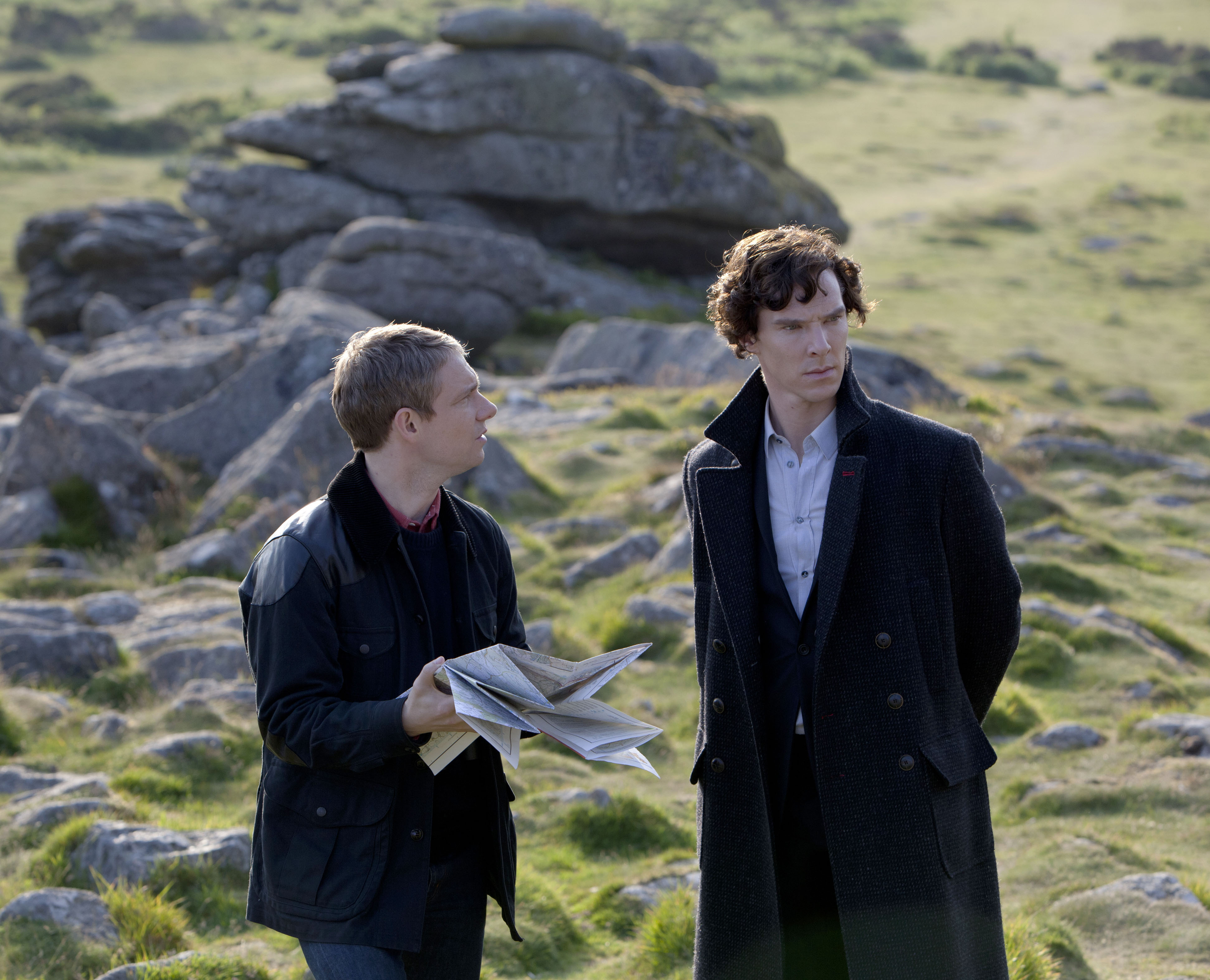
The Hounds of Baskerville: Fear Itself
“The Hounds of Baskerville”, the second episode of BBC’s Sherlock second series, is a chilling adaptation of Arthur Conan Doyle’s classic novel “The Hound of the Baskervilles”. This episode takes the iconic story and reimagines it for the 21st century, exploring themes of fear, perception, and the power of suggestion.
Plot Analysis
The episode begins with Henry Knight (Russell Tovey), a man traumatized by a childhood experience in which he claims to have witnessed his father being killed by a gigantic, glowing hound on Dartmoor. Henry seeks Sherlock’s help in solving the mystery of his father’s death and confronting his own demons.
Sherlock and Watson travel to Dartmoor, where they investigate the nearby military research facility, Baskerville, which Henry believes may be connected to the hound. As they delve deeper into the case, they uncover a web of secrets, including a hidden experiment, a mysterious figure known only as “Dr. Frankland”, and a conspiracy that reaches the highest levels of the facility.
The episode builds to a tense climax on the moor, where Sherlock and Henry confront the truth about the hound and the events that traumatized Henry as a child.
Character Development
“The Hounds of Baskerville” offers significant insights into the characters of Sherlock and Watson:
Sherlock Holmes
In this episode, Sherlock confronts one of his greatest fears - the possibility that something might be beyond rational explanation. His usual confidence in his deductive abilities is tested as he grapples with the seemingly supernatural nature of the case.
Key character moments include:
- His initial skepticism about the supernatural elements of the case
- His growing unease as he begins to experience strange phenomena himself
- His determination to find a rational explanation, even when faced with seemingly inexplicable events
- His ability to use his own fear as a tool to solve the case
John Watson
Watson’s character continues to evolve as he takes on a more active role in the investigation and confronts his own fears.
Key character moments include:
- His empathy towards Henry Knight, showing his compassionate side
- His willingness to take risks to protect Sherlock
- His growing confidence in his own investigative abilities
- His ability to provide emotional support to both Sherlock and Henry
Henry Knight
Russell Tovey’s portrayal of Henry Knight is a standout performance, capturing the character’s trauma and desperation with remarkable authenticity.
Key character moments include:
- His emotional recounting of his father’s death
- His growing hope as Sherlock takes on the case
- His fear and vulnerability as he confronts the possibility that the hound might be real
- His relief and resolution when the truth is finally revealed
Thematic Exploration
Several important themes emerge in “The Hounds of Baskerville”:
Fear and Perception
The episode explores how fear can distort perception and create reality where none exists. The hound, it turns out, is not a supernatural creature but a product of fear, suggestion, and manipulation.
The Power of Suggestion
“The Hounds of Baskerville” demonstrates how powerful suggestion can be, particularly when combined with fear and trauma. The episode suggests that our minds are capable of creating monsters far more terrifying than any real creature.
Science vs. Superstition
The episode continues the series’ exploration of the conflict between science and superstition, with Sherlock representing the rational, scientific approach and the legend of the hound representing superstition and fear of the unknown.
Trauma and Recovery
The episode delves into the effects of trauma on the human psyche, as Henry Knight struggles to come to terms with his childhood experience and move forward with his life.
Cinematic Techniques
“The Hounds of Baskerville” employs several effective cinematic techniques to create a sense of tension and unease:
- Atmospheric Setting: The mist-shrouded moor of Dartmoor creates a sense of isolation and foreboding
- Lighting and Sound: The use of low lighting and eerie sound design to create a sense of unease
- Point-of-View Shots: The use of subjective camera angles to convey Henry’s fear and disorientation
- Editing: The quick cuts and fragmented editing during the hound sightings to create a sense of chaos and terror
Conclusion
“The Hounds of Baskerville” is a masterful episode that successfully adapts one of the most iconic Sherlock Holmes stories for the 21st century. It maintains the original story’s themes of fear and superstition while updating it with modern scientific concepts and contemporary concerns.
The episode’s greatest strength is its exploration of the nature of fear itself, suggesting that our greatest fears are often those we create in our own minds. It also demonstrates Sherlock’s growth as a character, as he learns to confront his own vulnerabilities and use them to his advantage.
“The Hounds of Baskerville” stands as a testament to the series’ ability to balance intellectual puzzles with emotional depth, creating a compelling and unforgettable viewing experience.
Image Suggestion
- Image location:
/static/images/ - Image name:
sherlock-hounds-of-baskerville.jpg - Suggested content: A dramatic still of Benedict Cumberbatch as Sherlock Holmes and Martin Freeman as Dr. John Watson standing on the misty Dartmoor, with a shadowy figure of a hound in the background