Mycroft Holmes: The Brother Behind the Scenes
Mycroft Holmes: The Brother Behind the Scenes
Mycroft Holmes, Sherlock Holmes’ older brother, is one of the most fascinating and enigmatic characters in the Sherlock Holmes universe. Despite appearing in only a handful of original stories, Mycroft has evolved into a central figure in modern adaptations, captivating audiences with his intelligence, influence, and complex relationship with his younger brother. As the so-called “brain behind the British government,” Mycroft represents a different side of the Holmes family genius, using his intellectual abilities to navigate the corridors of power rather than the streets of London.
The Original: Arthur Conan Doyle’s Mycroft Holmes
Arthur Conan Doyle introduced Mycroft Holmes in The Adventure of the Greek Interpreter (1893), revealing that Sherlock Holmes has an older brother who is even more intelligent than he is.
Core Traits:
- Superior Intelligence: Mycroft is described as having even greater deductive abilities than Sherlock, though he lacks his brother’s energy and ambition
- Government Influence: He holds a high-ranking position in the British government, described as “the most indispensable man in the country”
- Indolence: He is extremely lazy, preferring to spend his time at the Diogenes Club, a club for “the most unclubbable men in London”
- Physical Description: Conan Doyle describes him as a large, portly man with a round face, a broad forehead, and a pair of piercing eyes
- Emotional Reserve: Like his brother, he is emotionally reserved, though he shows a genuine affection for Sherlock
Role in the Stories:
- Character Expansion: His introduction expands the Sherlock Holmes universe by revealing Holmes’ family background
- Plot Device: He often provides Sherlock with information or access that would otherwise be unavailable
- Thematic Contrast: He represents a different approach to intelligence and ambition than Sherlock
Appearances:
Mycroft appears in only four original stories: The Adventure of the Greek Interpreter, The Adventure of the Bruce-Partington Plans, The Final Problem, and The Empty House. Despite his limited appearances, he leaves a lasting impression on readers.
The Evolution of Mycroft in Adaptations
Mycroft’s character has evolved significantly across different adaptations, often expanding his role and developing his character beyond the limited portrayal in the original stories.
The Golden Age (1930s-1950s): The Minor Character
In early film adaptations, Mycroft was often reduced to a minor character, appearing briefly to provide exposition or comic relief.
The Television Era: The Government Insider (1960s-1990s)
Television adaptations began to explore Mycroft’s character in greater depth, emphasizing his government connections and his complex relationship with Sherlock.
Key Portrayals:
- Charles Gray (1985-1994): Portrayed Mycroft in the Granada Television series as a suave, sophisticated government official with a dry wit and a genuine concern for his brother
Characteristics:
- Greater emphasis on his government role and influence
- More complex relationship with Sherlock, blending sibling rivalry with genuine affection
- Often portrayed as a more active character than in the original stories
The Modern Era: The Complex Antihero (2000s-Present)
Contemporary adaptations have reimagined Mycroft as a complex, multi-dimensional character, often with a darker edge and a more ambiguous moral compass.
Key Portrayals:
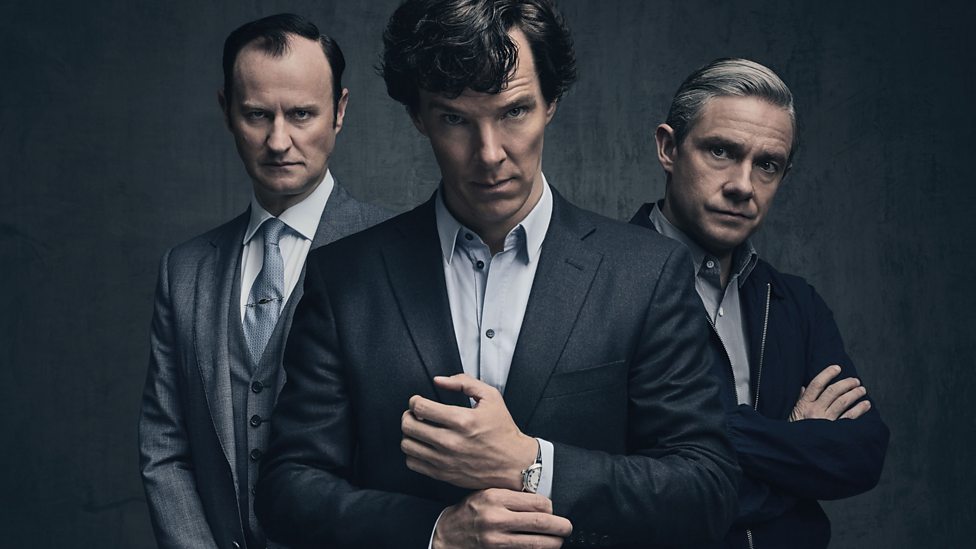
- Mark Gatiss (2010-2017): Portrayed Mycroft in the BBC series Sherlock as a powerful government official with a dry wit and a complicated relationship with his brother
- Stephen Fry (2011): Portrayed Mycroft in Sherlock Holmes: A Game of Shadows as a flamboyant, eccentric government official with a taste for the finer things in life
Characteristics:
- Greater emphasis on his power and influence within the government
- More complex moral ambiguity, sometimes crossing into antihero territory
- Greater focus on his relationship with Sherlock as one of mutual respect and rivalry
- Often given more screen time and backstory
Mycroft’s Significance in the Sherlock Holmes Mythos
Mycroft Holmes’ significance in the Sherlock Holmes mythos extends far beyond his limited appearance in the original stories:
Expansion of the Holmes Universe
Mycroft’s introduction expands the Sherlock Holmes universe by revealing that Sherlock is not an isolated genius but part of a family of exceptional intellect.
Exploration of Sibling Dynamics
His relationship with Sherlock explores the complex dynamics of sibling rivalry and affection, adding depth to both characters.
Commentary on Power and Influence
Mycroft’s role in the government provides a commentary on the nature of power and influence, contrasting with Sherlock’s more independent approach to justice.
Narrative Device
In adaptations, Mycroft often serves as a narrative device to introduce higher-stakes cases and to provide Sherlock with access to information or resources that would otherwise be unavailable.
The Psychology of Mycroft Holmes
Mycroft’s character has been the subject of much psychological analysis, with scholars and fans suggesting various interpretations:
The Introverted Genius
Mycroft represents the introverted side of genius, preferring to work behind the scenes rather than in the spotlight. His indolence is often interpreted as a form of intellectual fatigue, a result of his ability to see patterns and connections that others cannot.
The Responsible Brother
Despite his apparent indifference, Mycroft often acts as a responsible older brother to Sherlock, looking out for his well-being and providing support when needed.
The Pragmatist
Mycroft’s approach to problem-solving is more pragmatic than Sherlock’s, willing to make difficult moral compromises for the greater good.
Mycroft’s Enduring Appeal
Mycroft Holmes’ enduring appeal stems from several factors:
Intellectual Superiority
The revelation that there is someone even more intelligent than Sherlock Holmes is inherently fascinating, challenging our perception of the detective as the ultimate genius.
Enigmatic Nature
Mycroft’s mysterious government role and his preference for operating behind the scenes make him an enigmatic and intriguing character.
Complex Relationship with Sherlock
His complex relationship with Sherlock, blending sibling rivalry with genuine affection, adds depth and emotional resonance to the stories.
Timeless Themes
His role as a government insider exploring the nature of power and influence remains relevant across generations.
Conclusion
Mycroft Holmes, Sherlock’s older brother and the “brain behind the British government,” is a character of remarkable depth and complexity. From his initial portrayal as a lazy but brilliant government official in Arthur Conan Doyle’s original stories to his modern reinterpretations as a powerful, morally ambiguous figure, Mycroft has evolved to reflect changing attitudes toward power, intelligence, and family dynamics.
What makes Mycroft truly fascinating is his relationship with Sherlock. As brothers who share a remarkable intellect but differ dramatically in their approach to life, they represent two sides of the same coin. Sherlock uses his intelligence to solve crimes and seek justice in the public sphere, while Mycroft uses his to navigate the corridors of power and maintain order behind the scenes.
As we continue to reimagine the Sherlock Holmes mythos for new audiences, Mycroft Holmes remains a vital and relevant character, challenging our assumptions about intelligence, power, and family. His story reminds us that genius comes in many forms, and that even the most brilliant minds must navigate the complexities of human relationships.
Image Suggestion
- Image location:
/static/images/ - Image name:
mycroft-holmes-brother-behind-scenes.jpg - Suggested content: A collage featuring different actors who have portrayed Mycroft Holmes over the years, including Charles Gray, Mark Gatiss, and Stephen Fry, with Arthur Conan Doyle’s original description and illustrations in the background