Mrs. Hudson: The Heart of 221B Baker Street
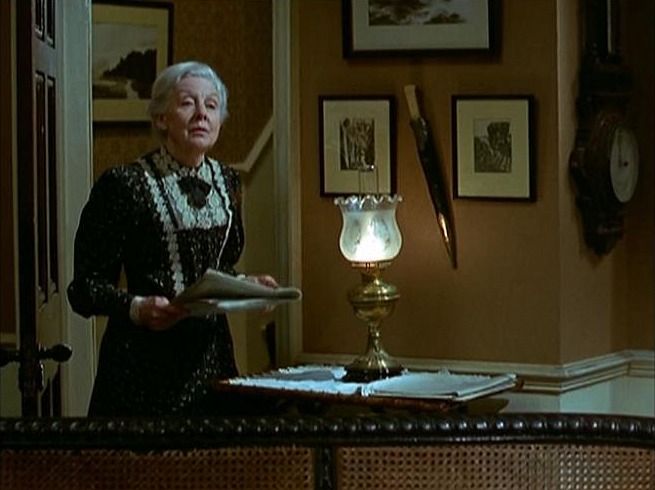
Mrs. Hudson: The Heart of 221B Baker Street
Mrs. Hudson, the landlady of 221B Baker Street, is often overlooked in discussions of the Sherlock Holmes characters, but she is nonetheless a vital part of the Sherlock Holmes mythos. As the woman who keeps Holmes’ home running smoothly, she provides the stability and warmth that allows the detective to focus on his cases. Despite her limited appearances in the original stories, Mrs. Hudson has evolved into a beloved character in modern adaptations, often given more screen time and depth. Her role as the heart of 221B Baker Street reminds us that even the most brilliant minds need a home to return to.
The Original: Arthur Conan Doyle’s Mrs. Hudson
Arthur Conan Doyle introduced Mrs. Hudson in A Study in Scarlet (1887), establishing her as the landlady of 221B Baker Street, where Sherlock Holmes and Dr. John Watson take up residence.
Core Traits:
- Maternal Instinct: She is described as having a motherly concern for Holmes and Watson
- Patience: She puts up with Holmes’ eccentricities, including his experiments, late nights, and occasional visitors
- Discretion: She is trusted to keep Holmes’ business confidential
- Practicality: She takes care of the day-to-day running of the household
- Loyalty: She is fiercely loyal to Holmes and Watson, even in the face of danger or inconvenience
Role in the Stories:
- Domestic Sphere: She represents the domestic sphere, providing a contrast to Holmes’ more cerebral world
- Narrative Device: She often serves as a narrative device, introducing scenes or providing exposition
- Humanizing Influence: Her presence humanizes Holmes and provides emotional depth to the stories
Appearances:
Mrs. Hudson appears in only a handful of the original stories, often in minor roles. Despite her limited appearances, she leaves a lasting impression as the steady, reliable presence behind the scenes.
The Evolution of Mrs. Hudson in Adaptations
Mrs. Hudson’s character has evolved significantly across different adaptations, often expanding her role and developing her character beyond the limited portrayal in the original stories.
The Golden Age (1930s-1950s): The Minor Character
In early film adaptations, Mrs. Hudson was often reduced to a minor character, appearing briefly to provide comic relief or to serve tea.
Key Portrayals:
- Mary Gordon (1939-1946): Portrayed Mrs. Hudson in the Basil Rathbone films as a kind, motherly figure with a Scottish accent
Characteristics:
- Limited screen time, often appearing only to serve tea or express concern
- Primarily comic relief, often exasperated by Holmes’ eccentricities
- Little backstory or character development
The Television Era: The Maternal Figure (1960s-1990s)
Television adaptations began to explore Mrs. Hudson’s character in greater depth, emphasizing her maternal role and her importance to Holmes and Watson.
Key Portrayals:
- Rosalie Williams (1984-1994): Portrayed Mrs. Hudson in the Granada Television series as a warm, motherly figure with a dry wit and a genuine affection for Holmes and Watson
Characteristics:
- More screen time and character development
- Greater emphasis on her maternal role and her concern for Holmes and Watson
- Often given more personality and backstory
The Modern Era: The Complex Character (2000s-Present)
Contemporary adaptations have reimagined Mrs. Hudson as a complex, multi-dimensional character, often with a more independent streak and a fascinating backstory.
Key Portrayals:
- Una Stubbs (2010-2017): Portrayed Mrs. Hudson in the BBC series Sherlock as a feisty, independent woman with a mysterious past and a sharp tongue
- Geraldine James (2015): Portrayed Mrs. Hudson in Mr. Holmes as a more traditional but still complex character with her own struggles and concerns
Characteristics:
- Greater emphasis on her independence and strength of character
- Often given a more colorful backstory, sometimes including former careers or relationships
- More assertive, often standing up to Holmes and challenging his behavior
- Greater focus on her relationship with Holmes as one of mutual respect
Mrs. Hudson’s Significance in the Sherlock Holmes Mythos
Mrs. Hudson’s significance in the Sherlock Holmes mythos extends far beyond her limited appearance in the original stories:
Domestic Anchor
She provides the domestic anchor that allows Holmes and Watson to focus on their work. Without her, 221B Baker Street would not be the haven it is for the detective and his companion.
Maternal Figure
She serves as a maternal figure for both Holmes and Watson, providing the emotional support and nurturing that they might otherwise lack.
Symbol of Normalcy
In a world of crime, mystery, and intellectual abstraction, Mrs. Hudson represents normalcy and the comforts of home.
Narrative Function
In adaptations, she often serves as a narrative device to provide comic relief, emotional depth, or exposition.
The Psychology of Mrs. Hudson
Mrs. Hudson’s character has been the subject of much analysis, with scholars and fans suggesting various interpretations:
The Nurturer
Many interpretations focus on Mrs. Hudson’s nurturing nature, suggesting that she derives satisfaction from taking care of Holmes and Watson and providing them with a home.
The Survivor
Modern adaptations often portray Mrs. Hudson as a survivor, someone who has overcome challenges in her past and found strength in taking care of others.
The Secret Genius
Some interpretations suggest that Mrs. Hudson may be more observant and intelligent than she appears, quietly noting details about Holmes’ cases and his character.
Mrs. Hudson’s Enduring Appeal
Mrs. Hudson’s enduring appeal stems from several factors:
Relatability
She is a relatable character, representing the everyday people who keep the world running smoothly while others pursue more glamorous endeavors.
Warmth
Her warmth and maternal instinct provide a necessary counterbalance to Holmes’ more cerebral approach to life.
Consistency
In a world of constant change and uncertainty, Mrs. Hudson represents consistency and reliability.
Evolution
Her evolution across adaptations reflects changing attitudes toward women and domestic roles, making her a fascinating study in character development.
Conclusion
Mrs. Hudson, the landlady of 221B Baker Street, is far more than just a minor character in the Sherlock Holmes stories. She is the heart of 221B Baker Street, providing the stability, warmth, and maternal support that allows Holmes and Watson to thrive. Her evolution across adaptations reflects changing attitudes toward women and domestic roles, from the traditional housekeeper of early adaptations to the feisty, independent character of modern interpretations.
What makes Mrs. Hudson truly endearing is her unwavering loyalty to Holmes and Watson, even in the face of their eccentricities and the dangers that come with their work. She reminds us that even the greatest minds need a home to return to, and that the people who keep our homes running smoothly are often the unsung heroes of our lives.
As we continue to reimagine the Sherlock Holmes mythos for new audiences, Mrs. Hudson remains a vital and beloved character, reminding us that intelligence and ambition are not the only virtues, and that sometimes the most important contributions come from the quiet, steady presence behind the scenes.
Image Suggestion
- Image location:
/static/images/ - Image name:
mrs-hudson-heart-of-221b.jpg - Suggested content: A collage featuring different actresses who have portrayed Mrs. Hudson over the years, including Mary Gordon, Rosalie Williams, and Una Stubbs, with a background image of 221B Baker Street