Mary Morstan: The Woman Who Won Watson's Heart
Mary Morstan: The Woman Who Won Watson’s Heart
Mary Morstan, Dr. John Watson’s wife, holds a unique place in the Sherlock Holmes universe. Introduced in The Sign of the Four (1890), Mary is not just a love interest for Watson but a fully realized character with her own strengths, motivations, and backstory. Her relationship with Watson marks a significant development in the Sherlock Holmes stories, introducing a romantic element that adds depth to Watson’s character and provides a contrast to Holmes’ more detached approach to life. While her appearances in the original stories are limited, Mary has evolved into a complex, multi-dimensional character in modern adaptations, often given a more prominent role and a darker edge.
The Original: Arthur Conan Doyle’s Mary Morstan
Arthur Conan Doyle introduced Mary Morstan in The Sign of the Four, where she seeks Sherlock Holmes’ help in solving the mystery of her father’s disappearance and the strange pearls she has been receiving annually.
Core Traits:
- Beauty: Watson describes her as exceptionally beautiful, with a “sweet, amiable” expression
- Intelligence: She demonstrates quick thinking and resourcefulness throughout the story
- Courage: She accompanies Holmes and Watson on their investigation, showing bravery in the face of danger
- Moral Integrity: She is honest and straightforward, refusing to accept the Agra treasure when it is revealed to be stolen
- Emotional Depth: She shows genuine grief over her father’s disappearance and growing affection for Watson
Role in the Story:
- Plot Catalyst: Her search for her father and the mystery of the pearls drives the story’s action
- Love Interest: Her relationship with Watson provides a romantic subplot
- Thematic Device: She represents the possibility of a normal, happy life for Watson, contrasting with Holmes’ more solitary existence
Later Appearances:
Mary appears briefly in The Adventure of the Crooked Man (1893), where she is referred to as Mrs. Watson, and is mentioned in several other stories. However, she never plays a significant role again after The Sign of the Four.
The Evolution of Mary Morstan in Adaptations
Mary’s character has evolved significantly across different adaptations, reflecting changing attitudes toward women and gender roles.
The Golden Age (1930s-1950s): The Damsel in Distress
In early film adaptations, Mary was often reduced to a damsel in distress, her intelligence and courage downplayed in favor of her beauty and romantic appeal.
Key Portrayals:
- Wendy Hiller (1932): Portrayed Mary in The Sign of Four as a more traditional damsel in distress
Characteristics:
- Greater emphasis on her beauty and romantic appeal
- Less emphasis on her intelligence and courage
- Often portrayed as needing rescuing rather than being an active participant in the investigation
The Television Era: The Faithful Wife (1960s-1990s)
Television adaptations began to restore Mary’s intelligence and independence, presenting her as a more equal partner to Watson.
Key Portrayals:
- Jenny Seagrove (1983): Portrayed Mary in the Granada Television series as a intelligent, independent woman who actively participates in the investigation
Characteristics:
- Restored emphasis on her intelligence and courage
- Presented as a more equal partner to Watson
- Often given more screen time and backstory
The Modern Era: The Complex Character (2000s-Present)
Contemporary adaptations have reimagined Mary as a complex, multi-dimensional character, often with a darker edge and a more ambiguous moral compass.
Key Portrayals:
- Amanda Abbington (2014-2017): Portrayed Mary in the BBC series Sherlock as a former intelligence agent with a mysterious past
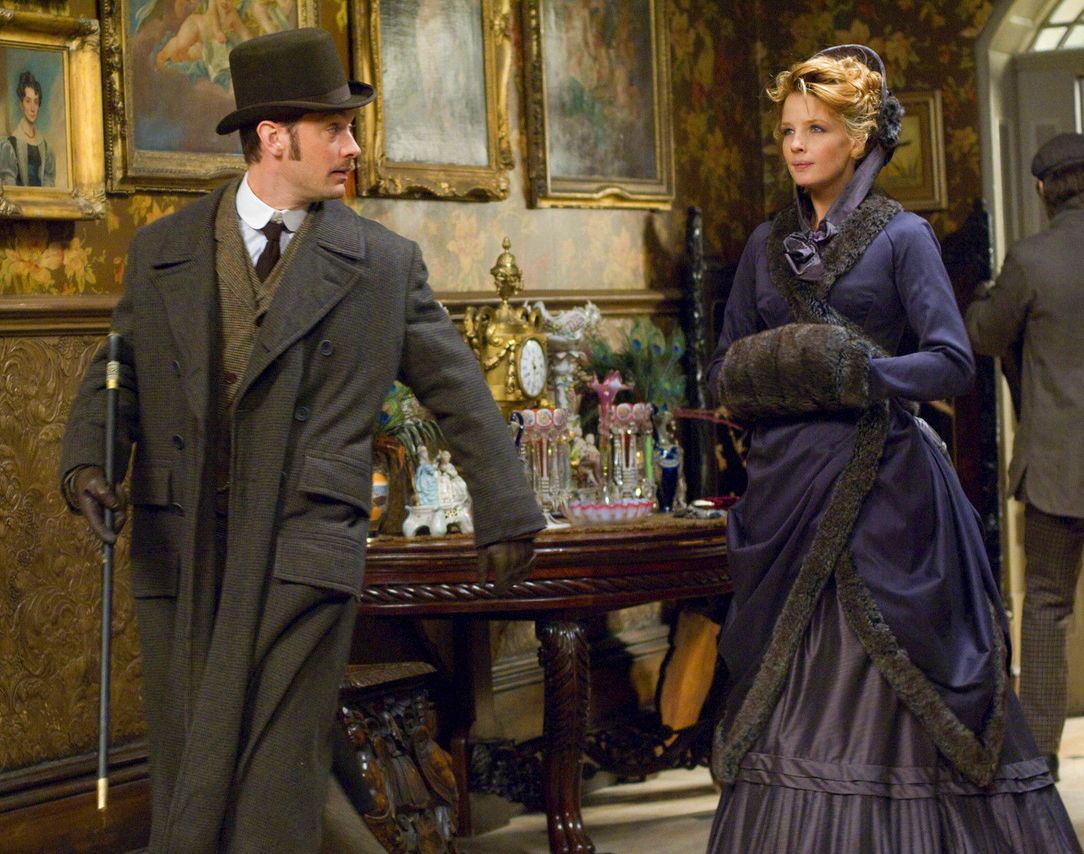
- Kelly Reilly (2009): Portrayed Mary in Sherlock Holmes as a more traditional but still intelligent and independent character
Characteristics:
- Greater emphasis on her independence and agency
- Often given a more complex backstory, sometimes including secret identities or past careers
- More ambiguous moral compass, sometimes crossing into antihero territory
- Greater focus on her relationship with Watson as one of mutual respect and equality
- Often given a more prominent role in the overall narrative
Mary’s Significance in the Sherlock Holmes Mythos
Mary Morstan’s significance in the Sherlock Holmes mythos extends far beyond her role as Watson’s wife:
Exploration of Watson’s Character
Her relationship with Watson explores the detective’s companion’s capacity for love and commitment, adding depth to his character.
Contrast to Holmes’ Lifestyle
She represents the possibility of a normal, happy life, contrasting with Holmes’ more solitary, cerebral existence.
Representation of Women
Her character provides an opportunity to explore the role of women in the Sherlock Holmes universe, from the more traditional portrayal in the original stories to the more modern, complex interpretations.
Narrative Device
In adaptations, she often serves as a narrative device to introduce new storylines or to challenge the status quo of the Holmes-Watson partnership.
The Psychology of Mary Morstan
Mary’s character has been the subject of much analysis, with scholars and fans suggesting various interpretations:
The Feminine Ideal
In the original stories, Mary is often seen as representing the Victorian feminine ideal: beautiful, intelligent, moral, and domestically inclined.
The Modern Woman
In modern adaptations, Mary is often reimagined as a modern woman with her own career, ambitions, and secrets.
The Balancer
Mary’s role in Watson’s life is often seen as balancing his loyalty to Holmes with his need for a personal life outside of detective work.
Mary’s Enduring Appeal
Mary Morstan’s enduring appeal stems from several factors:
Romantic Element
Her relationship with Watson adds a romantic element to the Sherlock Holmes stories, appealing to readers who enjoy both mystery and romance.
Complexity
Her character, particularly in modern adaptations, is complex and multi-dimensional, making her more engaging than the one-dimensional love interests that populate many detective stories.
Evolution
Her evolution across adaptations reflects changing attitudes toward women and gender roles, making her a fascinating study in character development.
Connection to Watson
Her relationship with Watson provides insight into the character of Holmes’ companion, showing a different side of him than readers see in his interactions with Holmes.
Conclusion
Mary Morstan, Dr. John Watson’s wife, is a character of remarkable depth and significance in the Sherlock Holmes universe. From her initial portrayal as a beautiful, intelligent young woman in The Sign of the Four to her modern reinterpretations as a former intelligence agent with a mysterious past, Mary has evolved to reflect changing attitudes toward women and gender roles.
What makes Mary truly fascinating is her relationship with Watson, which adds a romantic element to the Sherlock Holmes stories while also exploring the detective’s companion’s capacity for love and commitment. Her presence reminds us that even the most adventurous lives need moments of tenderness and connection.
As we continue to reimagine the Sherlock Holmes mythos for new audiences, Mary Morstan remains a vital and relevant character, challenging our assumptions about women in detective fiction and providing a window into Watson’s personal life. Her story reminds us that love and adventure can coexist, and that even the most rational minds need the warmth of human connection.
Image Suggestion
- Image location:
/static/images/ - Image name:
mary-morstan-watson-heart.jpg - Suggested content: A collage featuring different actresses who have portrayed Mary Morstan over the years, including Jenny Seagrove, Amanda Abbington, and Kelly Reilly, with Arthur Conan Doyle’s original description and illustrations in the background