Jim Moriarty: The Ultimate Nemesis
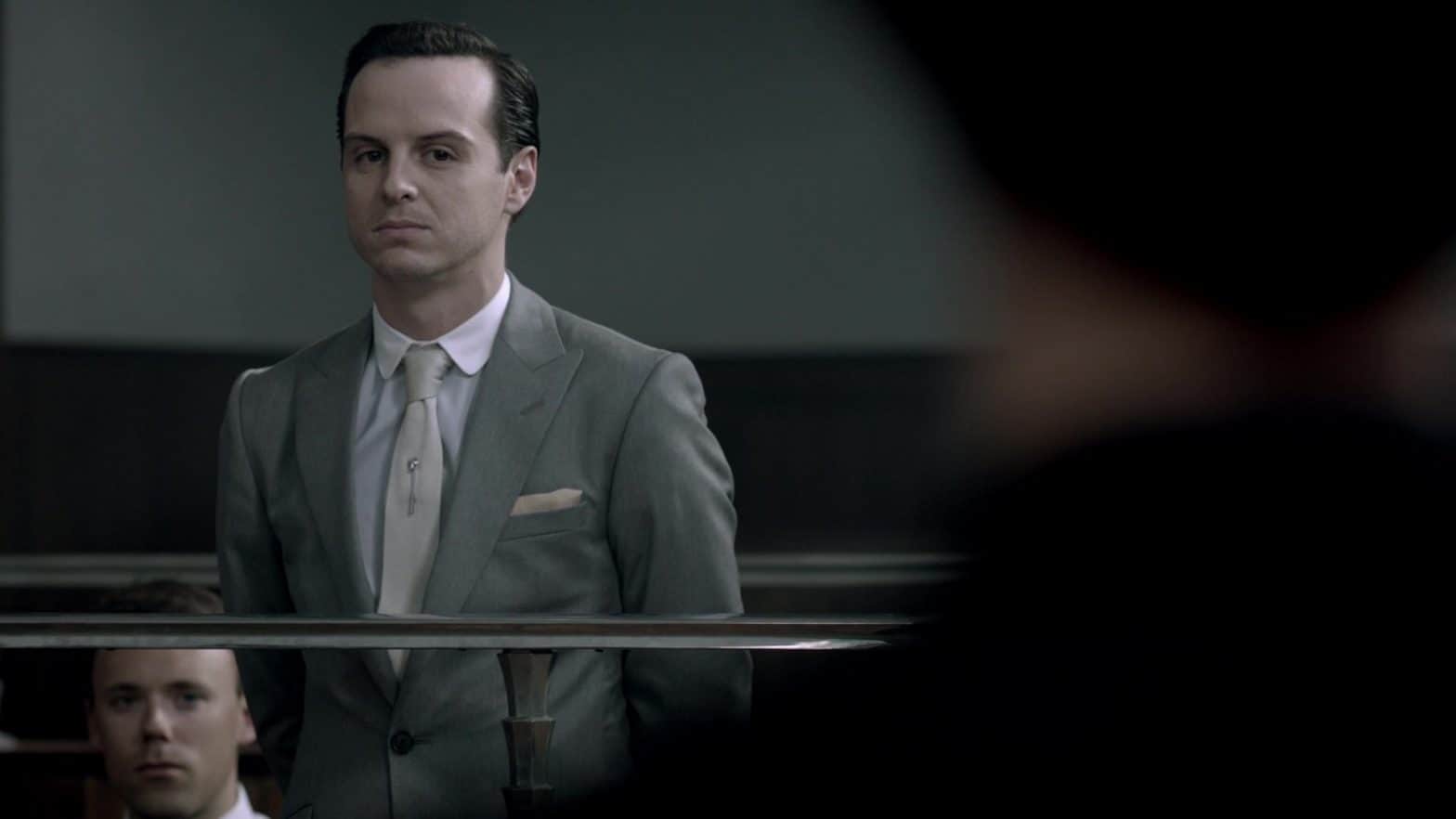
Jim Moriarty: The Ultimate Nemesis
Jim Moriarty, Sherlock Holmes’ greatest nemesis, stands as one of literature’s most iconic villains. Since his introduction by Arthur Conan Doyle in 1893, Moriarty has evolved from a relatively minor character in the original stories to a central figure in modern adaptations, captivating audiences with his intelligence, charisma, and sheer villainy. As the so-called “Napoleon of Crime,” Moriarty represents the perfect foil to Holmes’ deductive brilliance, challenging the detective both intellectually and morally.
The Original: Arthur Conan Doyle’s Professor Moriarty
Arthur Conan Doyle introduced Professor James Moriarty in The Adventure of the Final Problem (1893), primarily as a device to kill off Sherlock Holmes, whom Conan Doyle had grown tired of writing about.
Core Traits:
- Intellectual Brilliance: Moriarty is described as a mathematical genius who wrote a treatise on the binomial theorem that earned him academic acclaim
- Criminal Mastermind: He is the secret ruler of a vast criminal empire, controlling nearly all organized crime in London
- Elusiveness: He operates behind the scenes, rarely directly involved in criminal activities himself
- Moral Ambiguity: His motivations are never fully explained, though he seems to be driven primarily by a desire for power and intellectual stimulation
- Physical Description: Conan Doyle describes him as a tall, thin man with a domed forehead, sunken eyes, and a slight forward stoop
Role in the Stories:
- Plot Device: Initially introduced to provide a worthy opponent for Holmes in his “final problem”
- Symbolic Opposite: He represents the dark mirror of Holmes’ intellectual brilliance, using his gifts for evil rather than good
- Narrative Catalyst: His confrontation with Holmes at the Reichenbach Falls serves as a pivotal moment in the Sherlock Holmes mythos
The Evolution of Moriarty in Adaptations
Moriarty’s character has evolved significantly across different adaptations, often expanding his role and developing his character beyond the limited portrayal in the original stories.
The Golden Age (1930s-1950s): The Shadowy Villain
In early film adaptations, Moriarty was often portrayed as a shadowy, one-dimensional villain, lacking the depth and complexity of later interpretations.
Key Portrayals:
- Lionel Atwill (1939): Portrayed Moriarty in The Adventures of Sherlock Holmes as a suave but ruthless criminal mastermind
- Henry Daniell (1943): Portrayed Moriarty in Sherlock Holmes and the Spider Woman as a more refined but equally dangerous villain
Characteristics:
- Relatively one-dimensional, serving primarily as a plot device
- Often involved in elaborate schemes to steal valuables or commit acts of sabotage
- Rarely given much backstory or motivation beyond a desire for wealth or power
The Television Era: The Intellectual Equal (1960s-1990s)
Television adaptations began to explore Moriarty’s character in greater depth, emphasizing his intellectual equality with Holmes.
Key Portrayals:
- Eric Porter (1985): Portrayed Moriarty in the Granada Television series as a sophisticated, cultured villain with a genuine intellectual rivalry with Holmes
Characteristics:
- Greater emphasis on his intellectual brilliance and academic background
- More complex motivations, including a genuine desire to outwit Holmes
- More screen time and development as a character
The Modern Era: The Charismatic Villain (2000s-Present)
Contemporary adaptations have transformed Moriarty into a charismatic, complex villain who often steals the show from the hero.
Key Portrayals:
- Andrew Scott (2010-2017): Portrayed Moriarty in the BBC series Sherlock as a flamboyant, unpredictable, and psychologically complex villain
- Jared Harris (2011): Portrayed Moriarty in Sherlock Holmes: A Game of Shadows as a cold, calculating criminal mastermind with a personal vendetta against Holmes
- Vincent D’Onofrio (2002): Portrayed Moriarty in Sherlock Holmes: Case of Evil as a physically imposing as well as intellectually formidable villain
Characteristics:
- Greater emphasis on his charisma and charm
- More complex psychological motivations, often including a personal obsession with Holmes
- More screen time and development as a central character
- Greater emphasis on the psychological and emotional conflict between Holmes and Moriarty
Moriarty’s Enduring Appeal
Moriarty’s enduring appeal as a villain stems from several factors:
Intellectual Equality
Moriarty is one of the few characters in the Sherlock Holmes universe who can match Holmes intellectually. This intellectual equality makes him a worthy opponent and creates compelling dramatic tension.
Moral Complexity
Unlike many villains who are motivated solely by greed or power, Moriarty often seems to be driven by a more complex set of motivations, including intellectual curiosity and a desire for recognition.
Charisma
Modern portrayals of Moriarty, particularly Andrew Scott’s, have emphasized his charisma and charm, making him a more engaging and even likable villain despite his evil deeds.
Symbolic Significance
Moriarty represents the dark side of Holmes’ own personality, the potential for intellectual brilliance to be used for evil rather than good. This symbolic significance adds depth to their conflict and makes it more psychologically resonant.
Narrative Function
Moriarty serves as a catalyst for some of the most dramatic and memorable moments in the Sherlock Holmes mythos, particularly his confrontation with Holmes at the Reichenbach Falls.
The Psychology of Moriarty
Moriarty’s character has been the subject of much psychological analysis, with scholars and fans suggesting various interpretations:
Narcissistic Personality Disorder
Many modern portrayals of Moriarty exhibit traits of narcissistic personality disorder, including grandiosity, a need for admiration, and a lack of empathy.
Antisocial Personality Disorder
His disregard for the law and willingness to commit violent acts for personal gain suggest antisocial personality disorder.
Intellectual Hubris
His overconfidence in his own intelligence and his desire to prove himself superior to Holmes reflect a form of intellectual hubris.
Existential Boredom
Some interpretations suggest that Moriarty is motivated by existential boredom, using crime as a way to alleviate the tedium of a life in which he finds no intellectual challenge.
Moriarty’s Impact on Popular Culture
Moriarty’s influence extends beyond the Sherlock Holmes stories, shaping our understanding of what makes a compelling villain:
The Mastermind Villain
Moriarty established the archetype of the mastermind villain, a brilliant, charismatic antagonist who operates behind the scenes and poses a intellectual as well as physical threat to the hero.
The Hero’s Dark Mirror
He exemplifies the concept of the hero’s dark mirror, a villain who shares many of the hero’s qualities but uses them for evil rather than good.
The Personal Nemesis
His personal obsession with Holmes established the trope of the personal nemesis, a villain who is specifically focused on defeating the hero rather than achieving more general goals.
Conclusion
Jim Moriarty has evolved from a relatively minor character in Arthur Conan Doyle’s original stories to one of the most iconic villains in popular culture. His enduring appeal stems from his intellectual equality with Holmes, his moral complexity, and his symbolic significance as the dark mirror of Holmes’ own brilliance.
Modern adaptations have expanded and deepened Moriarty’s character, transforming him from a one-dimensional villain into a complex, charismatic antagonist who often steals the show from the hero. These portrayals have cemented Moriarty’s status as the ultimate nemesis, not just for Sherlock Holmes, but for heroes everywhere.
As long as there are heroes, there will be villains like Moriarty—characters who challenge our protagonists both intellectually and morally, and who remind us that brilliance, like power, can be used for good or evil. And as long as there are stories about Sherlock Holmes, there will be stories about Jim Moriarty, the Napoleon of Crime, and his eternal struggle with the world’s greatest detective.
Image Suggestion
- Image location:
/static/images/ - Image name:
jim-moriarty-ultimate-nemesis.jpg - Suggested content: A collage featuring different actors who have portrayed Moriarty over the years, including Andrew Scott, Jared Harris, and Eric Porter, with Arthur Conan Doyle’s original description and illustrations in the background