Inspector Lestrade: From Foil to Friend
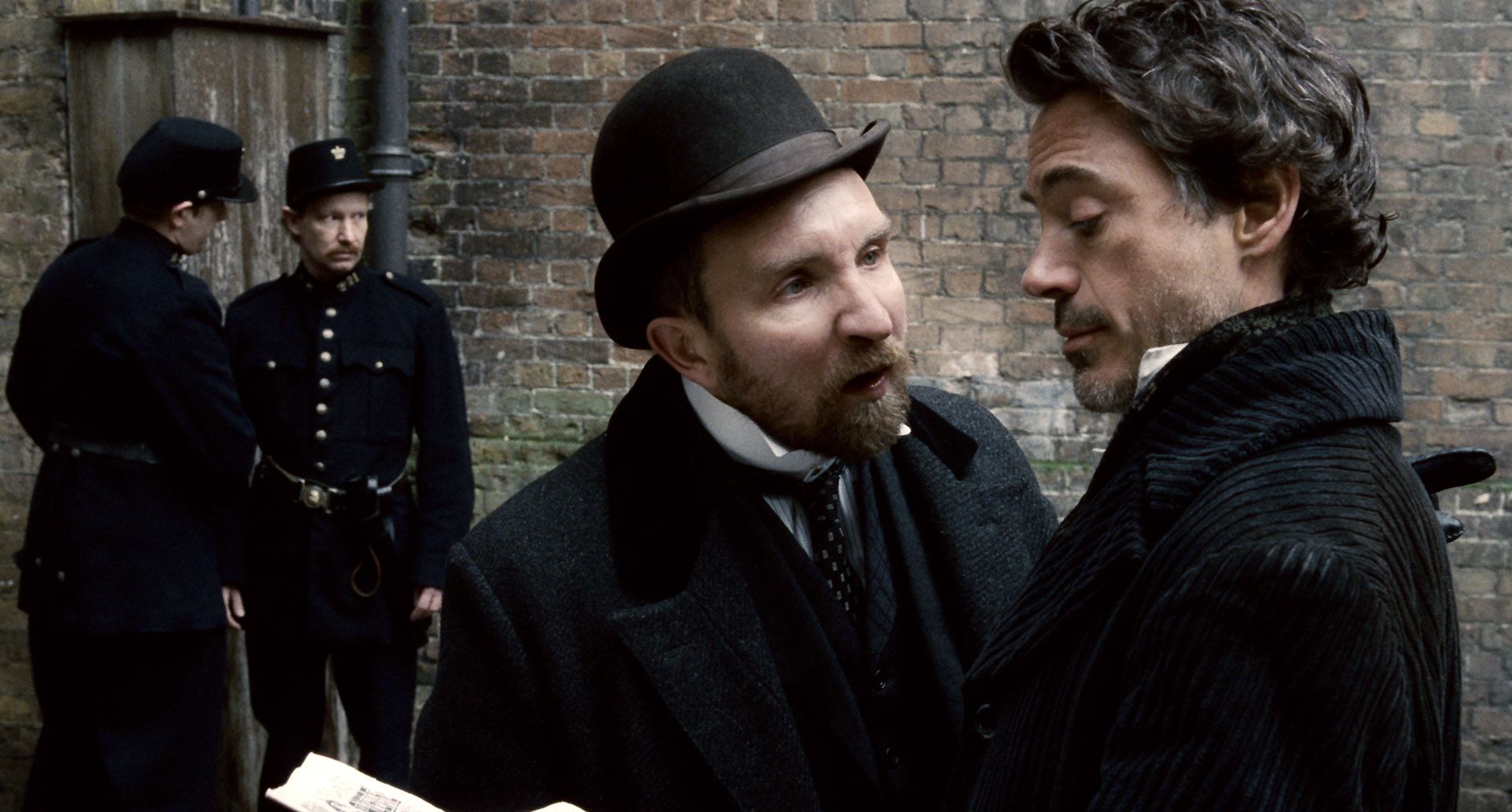
Inspector Lestrade: From Foil to Friend
Inspector G. Lestrade, the Scotland Yard detective who frequently crosses paths with Sherlock Holmes, is one of the most enduring characters in the Sherlock Holmes universe. Initially introduced as a foil to Holmes—representing the limitations of traditional police methods—Lestrade has evolved over time into a trusted friend and ally. His journey from skepticism to respect mirrors the broader acceptance of Holmes’ methods within the official police force, making him a fascinating study in character development and changing attitudes toward forensic science.
The Original: Arthur Conan Doyle’s Inspector Lestrade
Arthur Conan Doyle introduced Inspector Lestrade in A Study in Scarlet (1887), establishing him as a Scotland Yard detective who is initially skeptical of Holmes’ methods but gradually comes to respect his abilities.
Core Traits:
- Professionalism: Lestrade is a dedicated police officer who takes his job seriously
- Skepticism: He is initially skeptical of Holmes’ unorthodox methods and deductive reasoning
- Pragmatism: He is more concerned with practical police work than with Holmes’ intellectual approach
- Growth: Over the course of the stories, he grows to respect and even rely on Holmes’ abilities
- Loyalty: Despite their differences, he remains loyal to Holmes and Watson
Role in the Stories:
- Foil: He serves as a foil to Holmes, highlighting the detective’s superior abilities by contrast
- Narrative Device: He often serves as a narrative device, introducing cases or providing official information
- Bridge: He bridges the gap between Holmes’ unofficial methods and the official police force
Appearances:
Lestrade appears in 13 of the original Sherlock Holmes stories, making him one of the most recurring characters after Holmes and Watson. His character evolves significantly over the course of these appearances, from a skeptical rival to a trusted ally.
The Evolution of Lestrade in Adaptations
Lestrade’s character has evolved significantly across different adaptations, reflecting changing attitudes toward police work and forensic science.
The Golden Age (1930s-1950s): The Bumbling Detective
In early film adaptations, Lestrade was often portrayed as a bumbling, incompetent detective, serving primarily as comic relief and a foil to Holmes’ brilliance.
Key Portrayals:
- Dennis Hoey (1942-1946): Portrayed Lestrade in the Basil Rathbone films as a bumbling but well-meaning detective
Characteristics:
- Often portrayed as incompetent or slow-witted
- Primarily comic relief, often exasperated by Holmes’ methods
- Little character development or depth
The Television Era: The Competent Professional (1960s-1990s)
Television adaptations began to explore Lestrade’s character in greater depth, emphasizing his professionalism and competence as a police officer.
Key Portrayals:
- Colin Jeavons (1984-1994): Portrayed Lestrade in the Granada Television series as a competent, professional detective who respects Holmes’ abilities but is not afraid to challenge him
Characteristics:
- More competent and professional than in earlier adaptations
- Greater emphasis on his role as a police officer and his responsibilities
- More complex relationship with Holmes, blending respect with occasional frustration
- Often given more screen time and character development
The Modern Era: The Complex Ally (2000s-Present)
Contemporary adaptations have reimagined Lestrade as a complex, multi-dimensional character, often with his own strengths, weaknesses, and storylines.
Key Portrayals:
- Rupert Graves (2010-2017): Portrayed Lestrade in the BBC series Sherlock as a dedicated, competent detective who relies on Holmes but is not afraid to stand up to him
- Eddie Marsan (2009-2011): Portrayed Lestrade in the Guy Ritchie films as a tough, no-nonsense detective with a dry wit
Characteristics:
- Greater emphasis on his competence and professionalism
- More complex moral and ethical dilemmas
- Greater focus on his relationship with Holmes as one of mutual respect and occasional tension
- Often given more backstory and personal life
Lestrade’s Significance in the Sherlock Holmes Mythos
Inspector Lestrade’s significance in the Sherlock Holmes mythos extends far beyond his role as a police officer:
Representation of Official Authority
Lestrade represents the official authority of the police force, providing a contrast to Holmes’ unofficial, freelance approach to detective work.
Evolution of Forensic Science
His growing respect for Holmes’ methods mirrors the broader acceptance of forensic science and deductive reasoning within law enforcement.
Humanizing Element
His character provides a humanizing element to the stories, representing the perspective of the ordinary professional doing his best in challenging circumstances.
Narrative Function
In adaptations, he often serves as a narrative device to introduce cases, provide official information, or create tension between Holmes and the police.
The Psychology of Inspector Lestrade
Lestrade’s character has been the subject of much analysis, with scholars and fans suggesting various interpretations:
Professional Identity
Lestrade’s struggle to balance his professional identity as a police officer with his respect for Holmes’ unofficial methods reflects the tension between tradition and innovation.
Insecurity and Pride
His initial skepticism of Holmes’ methods may stem from a combination of professional pride and insecurity, as he struggles to accept that an amateur could be more effective than trained professionals.
Growth and Adaptability
His willingness to learn from Holmes and adapt his methods demonstrates his professionalism and intellectual humility, rare qualities in a character initially introduced as a foil.
Lestrade’s Enduring Appeal
Inspector Lestrade’s enduring appeal stems from several factors:
Relatability
Lestrade is a relatable character, representing the ordinary professional who must navigate the challenges of his job while balancing personal and professional relationships.
Growth
His character evolves significantly over the course of the stories, from a skeptical rival to a trusted ally. This growth makes him a dynamic and compelling character.
Complexity
He is a complex character, with his own strengths, weaknesses, and motivations. This complexity makes him more engaging than the one-dimensional foil he could have been.
Balance
He provides a necessary balance to Holmes’ more extreme personality, grounding the stories in the real world of professional police work.
Conclusion
Inspector Lestrade is far more than just a foil to Sherlock Holmes or a representative of the official police force. He is a complex, fully realized character whose evolution from skepticism to respect mirrors the broader acceptance of forensic science and deductive reasoning within law enforcement.
His journey from a skeptical rival to a trusted friend and ally is one of the most compelling character arcs in the Sherlock Holmes stories. It reminds us that even the most established professionals can learn from those with different approaches, and that respect can grow from initial skepticism.
As we continue to reimagine the Sherlock Holmes mythos for new audiences, Inspector Lestrade remains a vital and relevant character, representing the best of professional law enforcement while acknowledging the value of unorthodox approaches to problem-solving. His story reminds us that true professionalism involves not just following established procedures, but also being open to new ideas and methods.
Image Suggestion
- Image location:
/static/images/ - Image name:
inspector-lestrade-foil-to-friend.jpg - Suggested content: A collage featuring different actors who have portrayed Inspector Lestrade over the years, including Dennis Hoey, Colin Jeavons, and Rupert Graves, with Arthur Conan Doyle’s original description and illustrations in the background